WHO Declares International Health Emergency Over Ebola Bundibugyo Outbreak in Africa
Quick recap: the emergency and the numbers
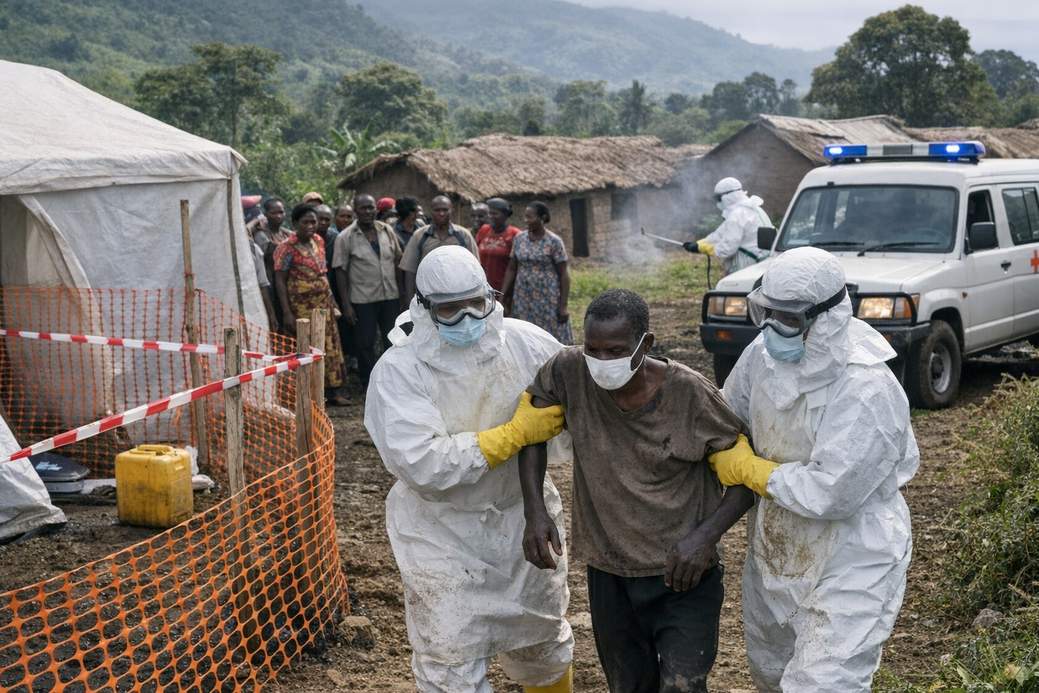
An international public health emergency was declared after a flare-up of the Bundibugyo strain of Ebola has been linked to dozens of deaths and hundreds of suspected infections in parts of eastern Africa. Current tallies put suspected cases at roughly 336 and reported deaths at about 88. In one hard-hit province, local teams have confirmed several lab cases and flagged a few hundred more as suspected — some of those suspected cases include dozens of deaths.
There have also been cases detected outside the immediate outbreak zone, including a confirmed infection in the capital and a traveler who died after returning to another country, which shows how quickly things can jump borders when people move.
Why this one is messy (and geography isn’t helping)
The outbreak’s focal area sits in a remote, difficult-to-reach region where insecurity, mining activity and heavy cross-border trade mean people are constantly on the move. That mobility, plus limited lab capacity, makes it hard to get a precise count: many cases are only flagged as “suspected” because samples can’t be processed fast enough.
To make matters trickier, the origin case hasn’t been pinpointed yet, so the true size of the event is still a mystery. Conflict in the area has also disrupted health teams and forced some community caregivers to flee, complicating response efforts and the creation of safe routes for medical aid.
What this strain means for people
This Bundibugyo variant is different from the Zaire strain that many vaccines and recent treatments target, so there isn’t a ready-made vaccine option for it. Ebola spreads through direct contact with bodily fluids or contaminated surfaces, people only become contagious once symptoms show, and incubation can last up to 21 days.
Historically, Ebola outbreaks have varied wildly in severity — recent local outbreaks caused a few dozen deaths, while the deadliest epidemic on record killed thousands. Overall mortality for Ebola infections is high, often estimated in the 60–80% range for severe outbreaks, so containment, quick detection and safe care remain the priorities while health teams work to clarify the situation and limit further spread.