Trump Issues Stern Warning on Iran as Strait of Hormuz Tensions Rise
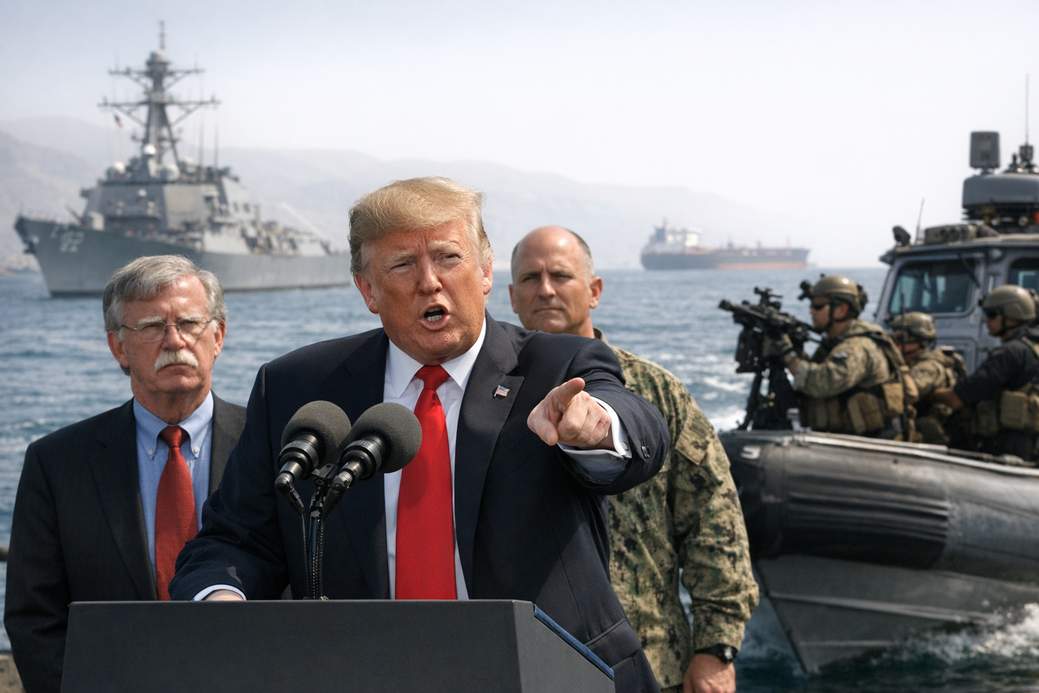
Beijing Pow-wow and the Not-So-Patient Warning
After a high-profile meeting in Beijing, the message was clear and a bit dramatic: patience with Iran is wearing thin. The U.S. president warned that he won’t stay patient for much longer and urged Iran to come to an agreement with the United States. He also repeated that China’s leader told him he would not supply military gear to Iran and that both sides want to keep the Strait of Hormuz open for business.
The two leaders touched on energy and trade realities, with a nod toward reducing reliance on the strait. One practical takeaway: there was talk about shifting purchases and supply lines so fewer tankers have to tense up while crossing a hotspot.
Maritime Mishaps and Strait Drama
The region has been messy at sea lately. In one episode, unauthorized people boarded a vessel near the port of Fujairah and tried steering it toward Iran. In another grim event, a livestock carrier sailing from Africa to the United Arab Emirates sank off Oman after an explosion that investigators believe came from a missile or a drone, and the crew was rescued by nearby coastal patrols.
These incidents have snarled traffic through the Strait of Hormuz, a narrow but hugely important choke point. Before the conflict, about one-fifth of the world’s oil and liquefied natural gas flowed through that stretch; now the passage looks more like a cautious negotiation than a speedway.
Stalled Talks, Blockades and Ship Counts
Diplomatic talks to end the fighting are stalled, while the military and economic pressure continue. Direct strikes have paused in some places, but a blockade and other restrictions remain in effect. The U.S. has pushed for Iran to relinquish its enriched uranium stockpiles and to stop enrichment activity; Iran has demanded sanctions relief, compensation for damages, and recognition of certain control over maritime routes.
Meanwhile, limited arrangements to allow some ships through have appeared: a few tankers have crossed after specific requests and negotiations, and authorities report more traffic than in recent weeks but still far below pre-conflict levels. Numbers mentioned by regional monitors show a modest uptick—dozens of transits in a short span versus the hundreds that used to pass daily—illustrating how fragile and partial any reopening remains. Despite recent unrest and military actions, there has been no large-scale organized opposition inside Iran, and control of parts of the strait has shifted leverage in the diplomatic dance.