Operation Project Freedom: US Launches Escort Mission for Stranded Ships in the Strait of Hormuz
What Project Freedom is and why it matters
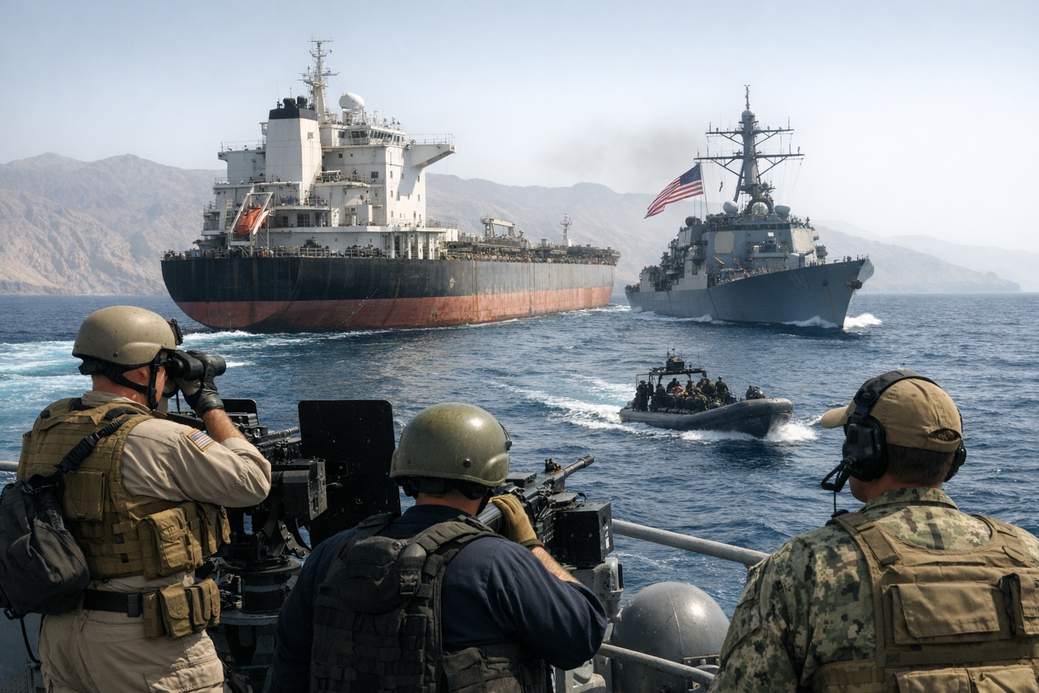
The U.S. is kicking off Operation “Project Freedom” to shepherd commercial vessels stuck in the Strait of Hormuz — basically a maritime rescue-and-escort gig with a heavy soundtrack of warships and fighter jets. The announced plan calls for guided-missile destroyers, over a hundred aircraft and roughly 15,000 service members to help get ships and crews out of a risky choke point so commerce can get back to business.
Officials framed the move as a humanitarian-style effort to help hundreds of ships and roughly 20,000 sailors stranded in the region. There’s also a clear line in the sand: any interference with the operation will be met with forceful responses, the U.S. warned.
Incidents, blockades and life at sea
The Strait of Hormuz has been effectively clogged since the fighting began, halting about one-fifth of global oil and gas traffic and sending crude prices sharply higher. In the meantime there have been reports of attacks and close-call incidents — small boats swarming a cargo ship, unexplained projectiles striking another vessel, and radio warnings telling anchored ships to move. No serious injuries were reported in these latest episodes, but conditions aboard many trapped ships have been grim: shortages of food, fresh water and supplies have become common problems for crews drawn largely from South and Southeast Asia.
Iran has pushed back against outside interference, rejecting the operation and saying any intervention would break the ceasefire. Iranian authorities also say they’re detaining or inspecting some vessels and claim control of the strait, even suggesting a toll for passage in certain cases. Meanwhile, a U.S. naval blockade remains in effect in the area.
Diplomacy, economics and the possible exit ramp
On the diplomatic front, there’s movement behind the scenes: proposals floated to end the conflict within a month reportedly include measures like lifting sanctions, lifting naval restrictions and pulling forces back — basically a package to quiet the fighting and reopen trade lanes. Washington says talks are ongoing, though any deal still looks uncertain.
Economically, the jam at Hormuz has been a real shock: global markets felt it, and oil prices jumped significantly compared with pre-conflict levels. U.S. officials also argue that revenue from any informal tolls in the strait has been minimal, and have hinted at escalating pressure if those collections keep up. For now, Project Freedom aims to clear a path for ships, but the situation could change quickly depending on how the diplomatic and military chess pieces move.