OPEC Strategy Shift: UAE’s Exit Redefines Oil Market Dynamics
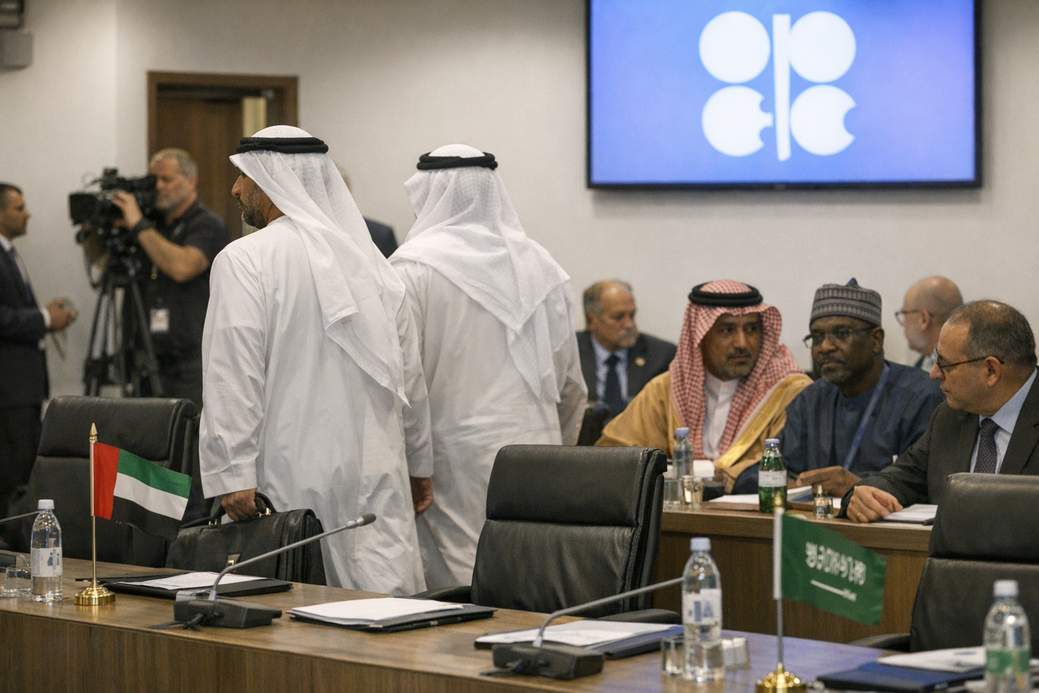
UAE exit shakes up OPEC’s oil chessboard
The United Arab Emirates officially left OPEC and OPEC+ on May 1, and suddenly the cartel’s lineup looks a little one player short. Losing a member with significant untapped production capacity forces a rethink: quotas, math and backup plans all need fresh scribbles.
The UAE’s national oil company expects capacity to rise toward 5 million barrels per day by 2027, which is well above its last allocated quota of 3.447 million. Outside the group, Abu Dhabi gains more flexibility to move its barrels as it sees fit.
The meeting, the missing barrels and the Strait bottleneck
Saudi Arabia, Russia, Iraq, Kuwait, Kazakhstan, Algeria and Oman are meeting virtually to decide whether to tweak production quotas. The adjustment under consideration could amount to roughly 188,000 barrels per day — a modest top-up, but one that now comes without the UAE’s contribution.
Production among quota countries in March ran about 27.68 million barrels per day versus a target near 36.73 million, leaving a gap on the order of nine million barrels. That shortfall highlights how logistics, politics and supply chokepoints have made it hard to hit agreed levels. A blockade affecting the Strait of Hormuz has further restricted exports from the region and reduced the ability to respond with quick increases.
Who’s most exposed and the price-game possibilities
The countries with the most spare capacity include Saudi Arabia, Iraq and Kuwait; the UAE will no longer be counted in internal spare-capacity calculations. Meanwhile, Russia faces its own hurdles as investment withdrawals and repeated attacks have complicated keeping extraction at planned levels.
One potential outcome is a rapid increase in UAE output that pressures prices; the counterpoint is that an existing market deficit could blunt the effects of any single producer flooding the market. In short, the cartel now has to juggle spare barrels, shipping bottlenecks and political realities while trying to keep prices and supply from doing a chaotic tango.