Iran’s Firm Stance on Strait of Hormuz Closure: Rejecting Trump’s Terms and Uranium Surrender
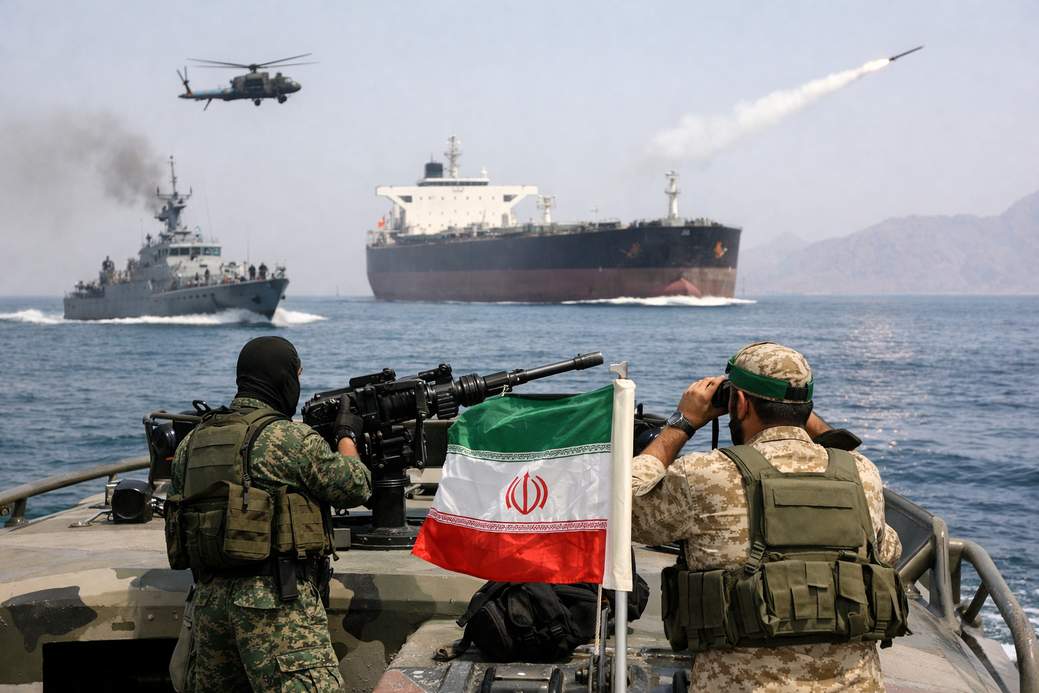
Iran’s message: rights, defense and a not-so-subtle reminder
Iran’s president, Masoud Pezeshkian, publicly pushed back on the notion that the U.S. can tell Tehran what to do with its nuclear program, calling those demands unreasonable and stressing that Iran claims it’s acting in self-defense rather than hunting for a fight. The rhetoric has been firm: Iran says it won’t give up its nuclear capabilities as a bargaining chip.
At the same time, Iranian officials repeatedly framed their moves as defensive measures taken in response to external pressure, not as steps to provoke a new war. That line has been repeated across statements coming from Tehran in recent days.
Strait of Hormuz, shipping drama and military warnings
The Revolutionary Guard issued a stark warning: any vessel that approaches the Strait of Hormuz could be treated as a military target. The threat came amid attacks on two Indian oil tankers in the area and reports that naval forces have engaged commercial ships. The strait is a major artery for global oil—handling roughly one-fifth of shipments—so these disruptions sent ripples through international shipping lanes.
After a brief reopening tied to a partial ceasefire, Iran reimposed restrictions and many ships either turned back or took detours. There were also reports of shots fired at an oil tanker, and some countries kept naval blockades in place while diplomacy moved at a cautious pace.
Talks, uranium and the ticking ceasefire clock
Diplomatic channels have been active, with Pakistan and Egypt among those acting as mediators, but Iran says there’s no set date to resume formal negotiations. Tensions over terms remain high: Washington claimed Iran might hand over a stash of highly enriched uranium, a claim Tehran rejected, calling any transfer ‘‘never on the table.’p>
Other limited steps cropped up during the truce—like a partial reopening of airspace on eastern routes—but the ceasefire was set to expire in four days, leaving the situation fragile and the next moves uncertain.