Why Gasoline Prices Won’t Plummet Despite Lower Crude Costs: Middle East Traffic & Tensions Explained
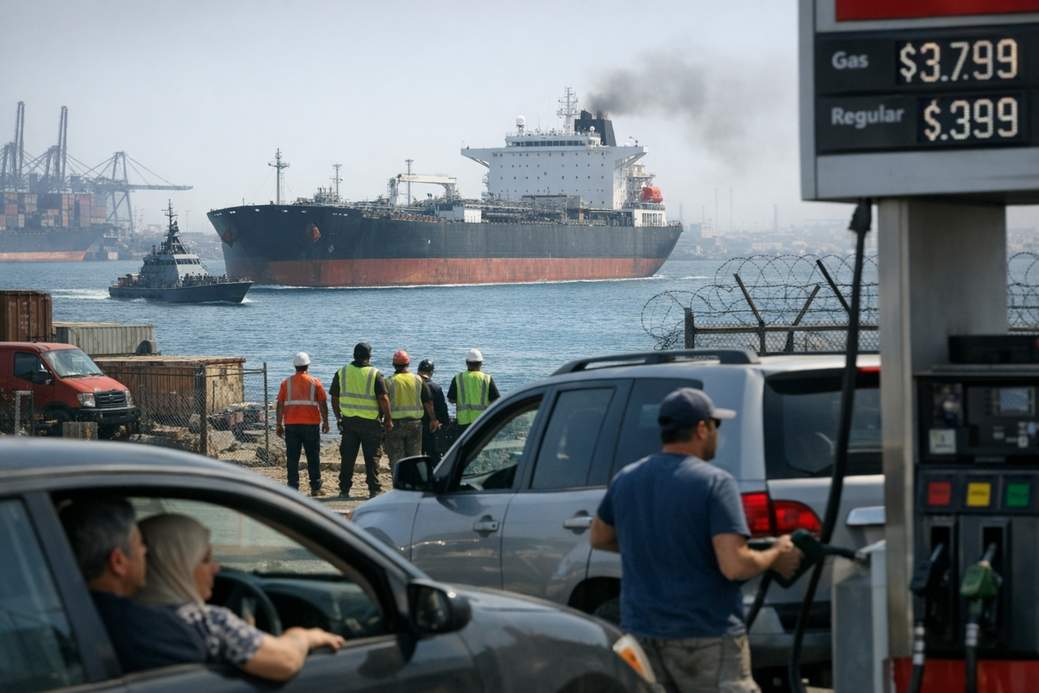
Market whiplash: prices dove, pumps stayed grumpy
After news that a key shipping lane was reopened, crude prices took a tumble and markets breathed a little easier. That doesn’t mean your local gas station suddenly remembered generosity, though — wholesale oil can move faster than the price you pay at the pump.
At the moment, regular gasoline in many places remains well above pre-conflict levels, even if crude futures have already shuffled downward. In short: a headline can make oil wobble overnight, but filling stations are slow to follow.
Why pump prices lag (it’s not magic, it’s logistics)
Gasoline is a multi-step relay race: tankers need to sail out, reach refineries, refineries have to crank up output, and then the finished fuel needs to be shipped to distribution hubs. Each leg takes time, and none of them can be rushed like an express delivery.
On top of that there’s stubborn friction: shipping traffic that was backed up, higher insurance and freight costs because of perceived risk, and traders keeping extra cushions in place in case disruptions return. All that adds a sticky layer that slows any quick pass-through of lower crude prices to pump prices.
The slow road back to normal
Even with the route reopened, reality bites: hundreds of tankers may be clustered nearby, mines or hazards might have to be cleared, and some terminals and refineries need repairs. That translates to weeks of delays for oil to actually flow from tanker to nozzle in a different country.
Expect a gradual easing over weeks if traffic truly resumes, and a longer process — possibly months — before all the backlog, surcharges and wartime frictions fade away. In other words, don’t plan a gas-guzzling road trip expecting instant relief, but do keep an eye on slowly shrinking prices in the weeks ahead.