Iran Tightens Grip on Strait of Hormuz Amid U.S. Blockade
Tehran tightens the reins
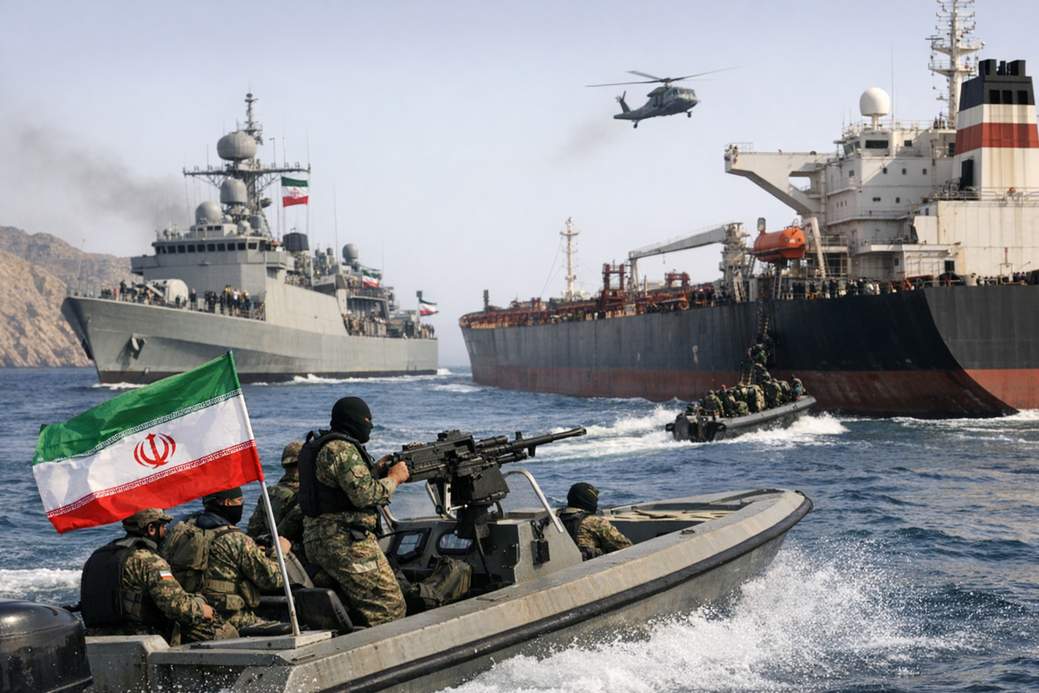
Iran says it has reinstated “strict control” of the Strait of Hormuz after a brief period of allowing limited ship traffic. The move comes as a response to a U.S. blockade of Iranian ports, and the country’s armed forces now describe the waterway as being under careful management. If maritime passages were a highway, imagine Iran waving a big stop/slow sign—only for tankers and cargo ships.
The strait isn’t small-time real estate: roughly one-fifth of the world’s oil flows through this narrow channel, so any change in how it’s handled gets attention fast.
Transit rules and the back-and-forth
Earlier, Iran had permitted a “limited and managed” flow of some commercial and oil vessels as a goodwill gesture during talks, but that arrangement was pulled back when U.S. restrictions continued. Tehran says it will only allow transit along designated routes and with its authorization until the blockade ends—basically reopening lanes only if the traffic rules suit them.
Meanwhile, a U.S. claim that the strait is “completely open” met rebuttal from Iranian officials. There were even suggestions about jointly handling enriched uranium that Tehran rejected, making it clear the material won’t be leaving the country.
Regional ripple effects
Elsewhere in the neighborhood, Israel experienced more than 24 hours without air raid sirens for the first time since late February, after a period of frequent missile, drone and rocket strikes coming from multiple actors. Large cities and border towns had been running emergency routines nonstop until a ceasefire slowed things down.
Leaders in the region are warning that objectives and negotiations remain sensitive: one side stresses it hasn’t abandoned its goals on the northern front, while another calls for national unity to preserve the fragile pause and keep international attention focused on stabilizing the situation.