Uncertainty and the Strait of Hormuz Blockade: Middle East’s Fragile Pause and Economic Challenges
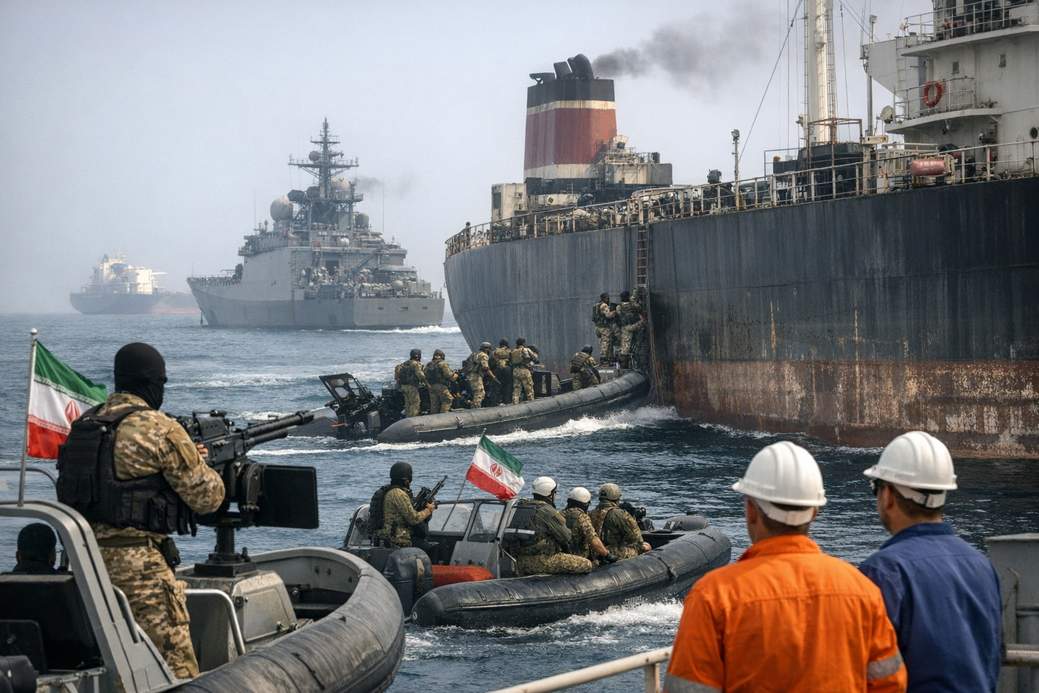
Blockade, truce and a whole lot of wobble
The big strikes that rattled the Gulf have quieted down, but calm is a polite fiction for now. A fragile pause in fighting exists, yet talks that might soothe nervous investors and travelers have hit a slow patch. Diplomacy is inching along and the Strait of Hormuz — the tiny but mighty shipping lane — is still a major source of anxiety.
That narrow channel used to carry roughly a fifth of the world’s traded oil, and whoever controls or blocks it can make the global energy market do a dramatic double-take. With repairs to damaged energy infrastructure likely to take months, normal operations aren’t coming back overnight.
Everyday life and the money squeeze
City life in some Gulf hubs looks oddly normal on the surface: kids back in classrooms, lights on, business façades standing. Look closer and the picture gets stingier. Restaurants are quieter, tourist spots have fewer selfie-sticks, and some hotels have shut their doors for renovations or trimmed staff hours.
Energy producers have filed force majeure notices and at least one major gas exporter halted shipments — moves that ripple down supply chains and bills. Economies that had been cruising may now be bracing for contraction, and planned growth in places trying to diversify beyond oil is at risk if the interruption drags on.
Strategic headaches and what’s at stake
Even countries with pipelines that skirt the Strait aren’t immune: diversification plans can be stalled, investment looks shakier, and the push to become tech and data hubs needs the kind of steady environment that’s in short supply. Stability matters not just for tourists and talent, but for big-picture aims like attracting international projects and building regional resilience.
For the moment the region is stuck in a holding pattern — repairs, negotiations and contingency plans will decide whether the Gulf resumes its usual bustle or stays in limbo for a while longer.