Middle East Tensions Rise: Trump Rejects Iran’s Proposal, Impacting Oil Markets and Diplomacy
Diplomacy derailed and oil markets on edge
Tensions spiked when U.S. President Donald Trump publicly dismissed Iran’s counterproposal to halt the regional fighting. The short, blunt rejection—delivered in a social-media-style announcement—sent shockwaves through traders and diplomats alike. Energy markets reacted quickly, with Brent crude jumping by roughly four percent and U.S. benchmark prices climbing toward the $100-per-barrel mark as investors fretted about supply disruptions.
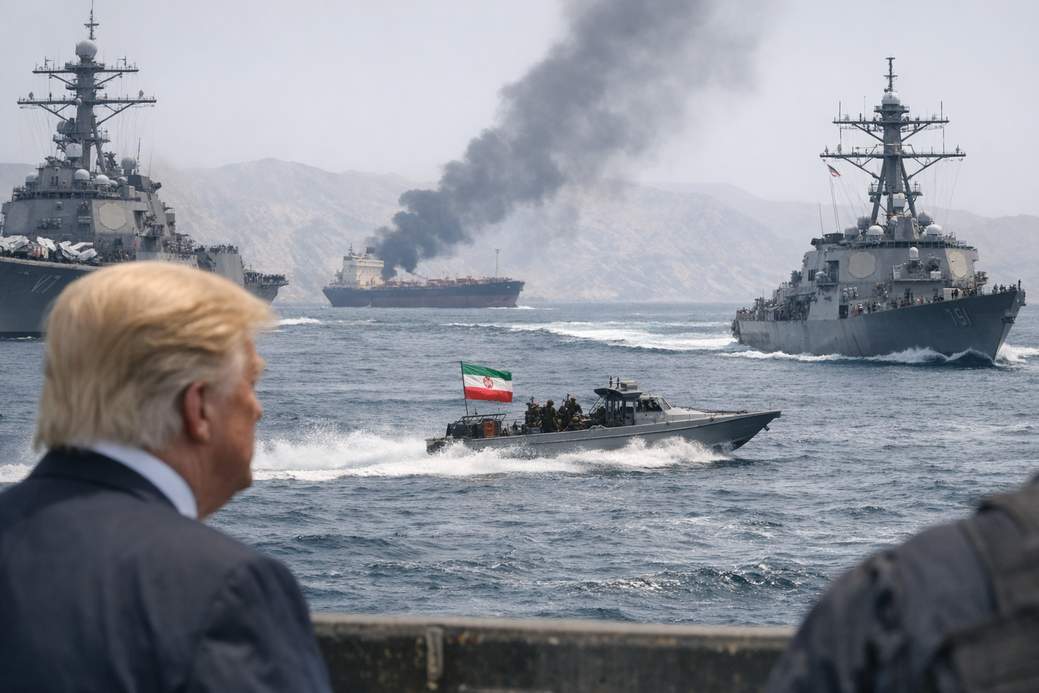
The Strait of Hormuz, a chokepoint for global oil shipments, became the scene everyone watched. Any hint that Tehran might step up control or harassment of commercial shipping pushed insurers, ship captains and commodity traders into high-alert mode, and that nervousness translated straight into price volatility.
Naval moves, drone drama and regional posturing
On the ground and at sea, things got noisier. Iranian authorities signaled they won’t limit retaliation to future attacks and tightened control over parts of maritime traffic, even proposing fees for ships transiting certain zones. Meanwhile, navies in the region have been shadowing and intercepting vessels, and there have been fresh drone incidents blamed on Iran that rattled neighboring Gulf states.
Leaders on both sides kept the rhetoric sharp: Israel’s prime minister insisted the confrontation won’t end until nuclear-sensitive material is addressed, while Iran’s president stressed that talks don’t equal surrender. European powers proposed coordinated measures to protect shipping lanes—planning a meet-up of defense ministers from dozens of countries—though some European leaders stressed the idea is about security, not an offensive campaign.
Complicated offers, guarded replies and an uncertain road ahead
The proposal Tehran suggested included technical measures for handling enriched uranium—diluting some of it and moving some to a third country—with guarantees around recovery if talks collapsed. Washington’s rejection of that counteroffer left the situation in diplomatic limbo, with new rounds of warnings and threats replacing quiet negotiations.
With planned high-level discussions on the calendar, including talks between the U.S. president and other global leaders, the region remains on edge. For now, markets, mariners and diplomats are all staring at the Strait of Hormuz, waiting to see whether the next move cools things down or turns the dial higher.