Iran Demands ‘Fair’ Peace Deal Amidst Maritime Tensions and Diplomatic Talks
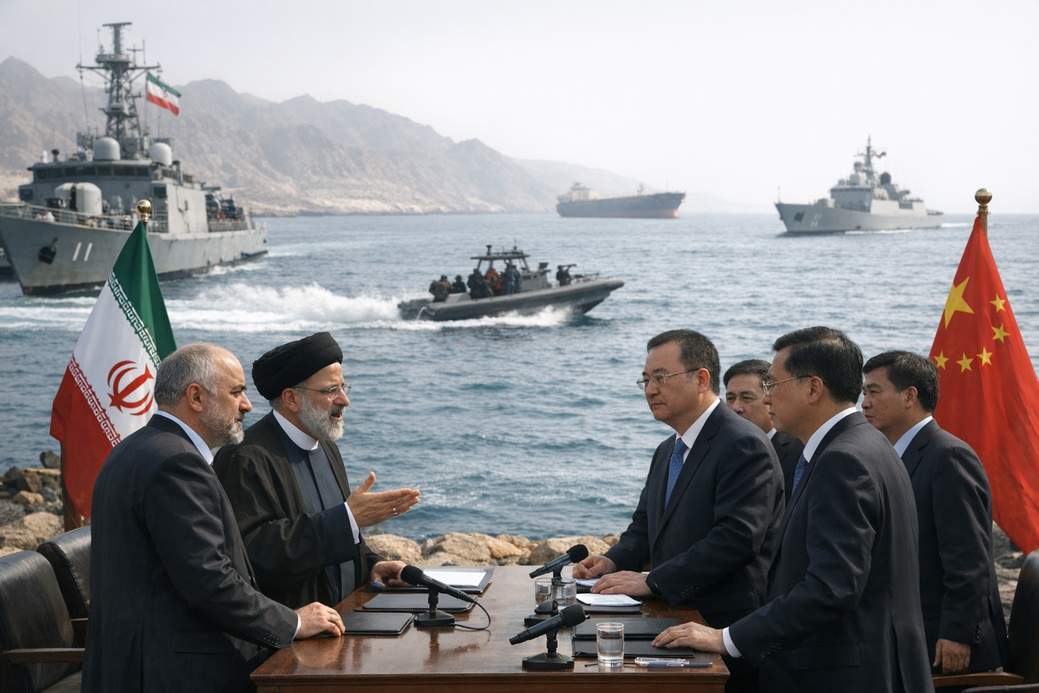
Iran’s stance: fair terms or no deal
Tehran made it crystal (and a little theatrical): it won’t sign up for a peace deal unless the terms don’t feel like a one‑sided handshake. Diplomats met in Beijing, talked ceasefires and regional calm, and walked away reiterating that any halt to fighting has to protect Iran’s interests — no imposed ultimatums, please.
Meanwhile, tensions at sea have been the soundtrack to the talks. A U.S. naval mission meant to keep ships moving through the Strait of Hormuz was put on pause, and leaders on both sides tossed around tough rhetoric. The upshot: everyone wants stability, but they’re quibbling over what “fair” actually means.
China’s diplomatic hustle
China casually slid into the scene offering to mediate, promising to ramp up diplomacy and nudge everyone toward the negotiating table. Beijing made clear the strait matters — a lot — for energy shipments, so calm waters are very much in its national interest.
The meeting came just before a big U.S.–China visit on the calendar and unfolded against a backdrop of trade squabbles and tense diplomacy. China also reiterated support for the peaceful use of nuclear energy and urged that maritime routes be kept safe so tankers and trade don’t become collateral damage in the drama.
Ships under fire and an uncertain pause
The brief naval escort mission didn’t magically fix maritime traffic and was halted after a spate of attacks on commercial vessels. One large container ship was hit, crews were evacuated, and the region’s shipping lanes stayed jittery — not exactly the calming influence planners hoped for.
So now the region is in a kind of uneasy pause: talks and gestures on one hand, incidents at sea on the other. Everyone says they prefer negotiation to escalation, but the real work will be turning that preference into a deal both sides actually call “fair.”