How Clint Eastwood’s Mayoral Win Freed Carmel’s Ice Cream Cones
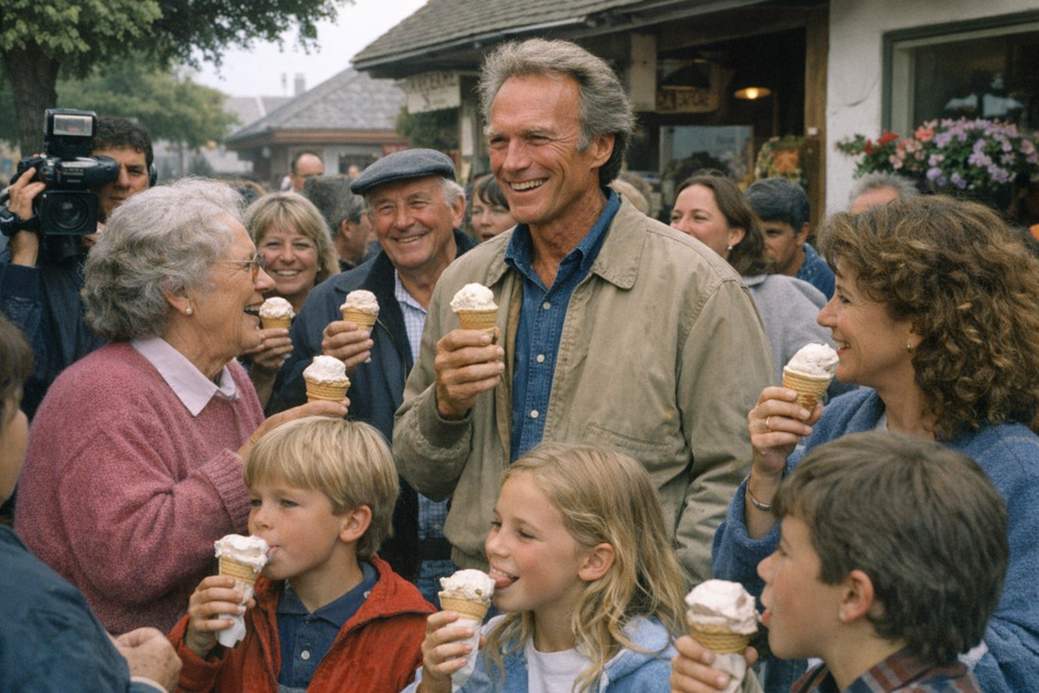
Carmel’s cone conundrum
Nestled on the California coast, Carmel looked like a postcard: tiny population, artsy streets and a serious fondness for keeping things quiet. That quiet extended into town law—since 1929 merchants were nudged to act more like house guests than shopkeepers. Food had to be handed over in lidded containers, which, believe it or not, meant the humble ice cream cone was officially uncool.
Fans of serenity said the rule kept sidewalks clean and the village vibe intact. Opponents said it strangled small business and tourists who just wanted to lick while they strolled. Tensions bubbled up in the mid-1980s when a permit for an ice cream stand was turned down, and suddenly the sticky stuff wasn’t just on cones—it was on people’s tempers.
Eastwood storms City Hall (sort of)
Enter Clint Eastwood: movie star, local resident since the 1970s, occasional town entrepreneur and apparently allergic to needless red tape. Frustrated by hurdles—like trouble opening an office and that cone kerfuffle—he tossed his name into the mayoral ring late in the game with a simple pitch: trim the bureaucracy and let commerce breathe a little.
The campaign caught on with business owners and residents tired of rules that felt fussy and obstructive. On election day in April 1986, he won decisively, handily besting the incumbent. The result was part personality, part protest: voters sent a clear message that maybe the town could be a bit less buttoned-up and a bit more practical.
After the scoop: changes and legacy
Once in office, Eastwood split his time between film projects and weekly trips to town meetings, and he set about loosening a number of the old restrictions—yes, that included making cones lawful again. The change invited new businesses, more tourists and, naturally, souvenir sellers hoping to cash in on the mayor-with-a-hat mystique.
Merchandise bearing Eastwood’s name became a local industry of its own, bringing in money but also sparking arguments over branding. He served his term, chose not to run again, and left with the town a little less precious and a little more open to commerce. The cone saga stuck around as a neat reminder: tiny rules can have big cultural consequences, and sometimes the person who fixes them is a movie star with a no-nonsense streak.