G7 Finance Ministers Convene in Paris Amid Global Economic Tensions
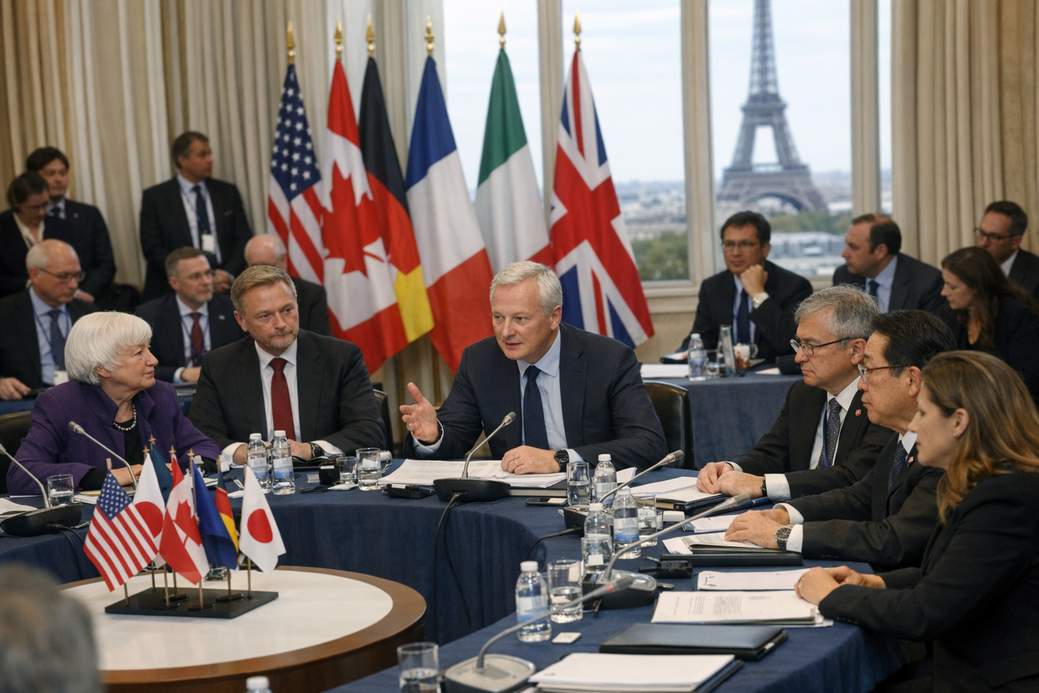
Paris meetup: small room, big tensions
The G7 finance ministers are gathering in Paris for a two-day huddle aimed at finding a bit of common ground while the global economy throws up fresh headaches. The agenda mixes old-school macro worries with shiny new tech worries — everything from trade rows and bond-market drama to the scramble for the minerals needed to power electric cars and green tech.
The talks come on the heels of a high-level U.S.-China summit in Beijing that delivered little in the way of economic breakthroughs and left trade and regional tensions simmering, so ministers arrive with cautious expectations and a stack of tricky topics to untangle.
The awkward dance: imbalances, Hormuz and market jitters
Hosts have flagged deep imbalances in how the world consumes, invests and trades — a recipe for squabbles and a potential shake-up of financial markets. The shorthand goes something like: some economies save too much, others spend too freely, and parts of the bloc just aren’t investing enough. Not exactly a recipe for smooth diplomacy.
On the table are ripple effects from geopolitics — renewed attention to navigation through the Strait of Hormuz after changes to oil sanction rules, rising costs from supply-chain bottlenecks, and volatile global bond markets that have a few delegations biting their nails. The British delegation plans to push for coordinated moves to curb inflationary pressures, ease chokepoints in supply chains, and restore safe passage for shipping. All while Europeans quietly nudge for fewer trade barriers with their closest partners.
Rare earths, market fixes and the long game
One of the flashier items is critical minerals: rare earths and other inputs that keep electric vehicles, renewables and defense tech ticking. The G7 is talking about ways to stop any single country from controlling the entire pipeline — more market monitoring, joint projects to build alternative supply routes, and incentives to spur domestic production.
Ideas being floated range from price floors for producers to coordinated buying and even trade measures. But this is early-stage stuff: the proposals are more about brainstorming and building trust than about immediate, sweeping deals. Expect careful footwork, lots of polite disagreement, and baby steps toward diversifying supply chains rather than instant certainties.