US and Nigerian Forces Kill ISIS Deputy Abu-Bilal al-Minuki in Joint Operation
The announcement
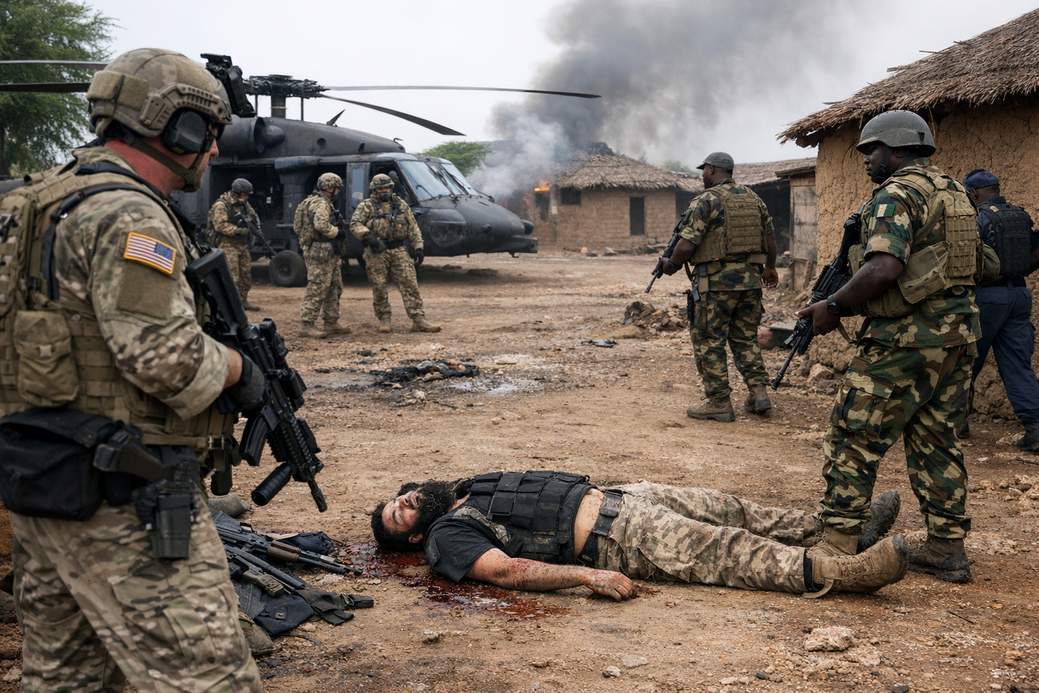
Donald Trump announced that U.S. and Nigerian forces carried out a precise, joint operation that resulted in the death of Abu‑Bilal al‑Minuki, described as the group’s second‑in‑command. The message framed the mission as carefully planned and executed, aimed at removing a key figure who was believed to be hiding in Africa.
The announcement also claimed that with his removal, ISIS’s global operations will be weakened and that the collaboration with Nigerian forces was crucial to the outcome.
Stronger teamwork on defense
Earlier this year the two countries formalized closer military cooperation by launching Institutional Defense Technical Working Groups in Abuja. The initiative is part of a defense roadmap intended to boost planning, training and institutional capacity so extremist groups have fewer places to hide.
Officials on both sides emphasized the goal of improving Nigeria’s response capabilities, strengthening armed forces’ readiness, and coordinating efforts to push back on regional instability.
Violence in Nigeria and what follows
Nigeria has faced persistent attacks from extremist groups for years. An April attack in the Gombi area, in the northeast near the Cameroon border, reportedly left about 30 people dead, underlining the ongoing humanitarian and security challenges.
Local leaders vowed justice and reinforced commitments to step up security operations. The country has also worked with U.S. personnel on the ground; around a hundred U.S. military members arrived at the Bauchi airstrip earlier in the year to support training and cooperation efforts.
The wider picture includes long‑running insurgencies such as Boko Haram and its offshoots, and other violent groups active in the northwest and Sahel regions. Recent joint air strikes and intensified operations show the campaign against these networks is continuing, with the aim of restoring greater stability to affected areas.