UK and France Lead 40+ Nations to Reopen and Secure the Strait of Hormuz
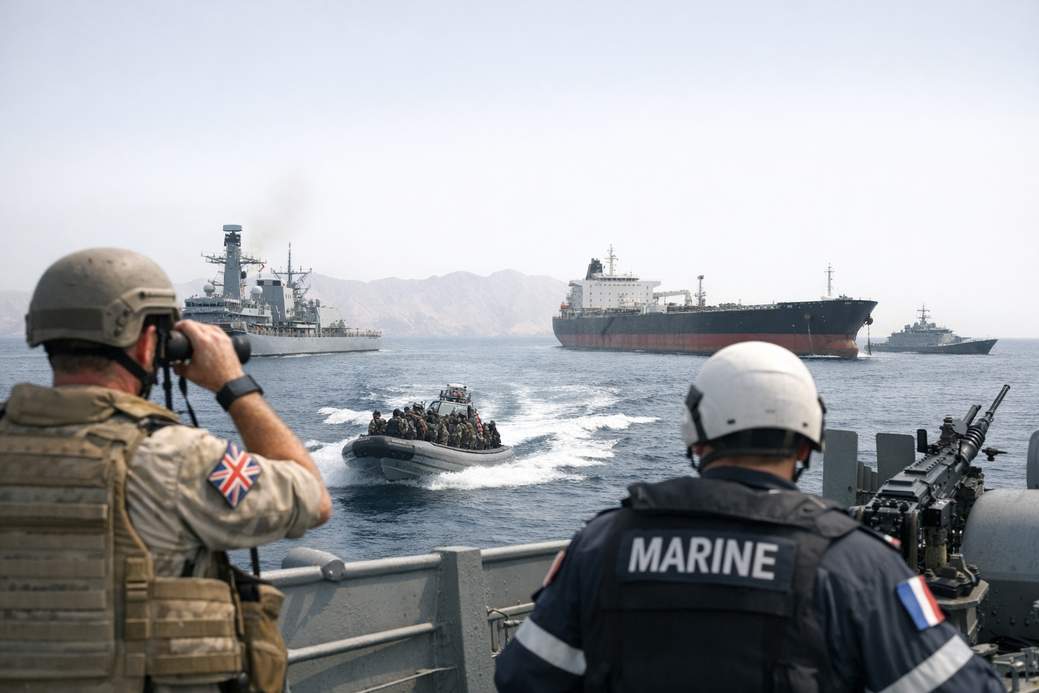
Big international huddle to get shipping moving again
The United Kingdom and France are convening more than 40 countries to sketch out a multinational plan to reopen and secure the Strait of Hormuz. Defence ministers, led by UK Defence Minister John Healey and French counterpart Catherine Vautrin, will join a virtual meeting to map out what each country could contribute when conditions allow a safe return to normal traffic.
This isn’t meant to be a few polite phone calls dressed up as action — the goal is to turn diplomatic agreements into practical military plans so merchants, tankers and jittery markets can breathe easier.
Why the strait is a big deal (and why everyone’s watching)
The Strait of Hormuz carries roughly one-fifth of the world’s seaborne oil, so when it’s effectively closed the ripple effects are global. The waterway has been blocked since late February amid a wider regional conflict involving the United States, Israel and Iran, sending alarms through energy and trade networks. In response, Britain is even sending HMS Dragon to the region as part of preparations for a future multinational security effort.
Meanwhile, behind-the-scenes talks between Washington and Tehran are ongoing but fragile, and fresh sanctions and countermeasures have added friction, not calm. That combination keeps the maritime choke point squarely in the international spotlight.
Diplomacy and detours: China, Taiwan and a flashy delegation
The Hormuz situation is intersecting with a high-profile U.S. visit to China, where tensions over Iran, trade and Taiwan are all on the table. U.S. leaders are weighing sanctions tied to oil shipments to China even as diplomats exchange messages about ceasefires and negotiations. China says it wants stable, respectful ties and aims to play a constructive role, while Washington insists on pressure where it sees risks.
On top of the geopolitical choreography, the U.S. president plans to discuss arms sales to Taiwan and travel with prominent business figures. The whole scene reads like a high-stakes summit with oil tankers, warships and corporate VIPs all squeezed into the same itinerary.