Starmer’s Road to Recovery: Navigating Local Election Setbacks with a European Vision
New direction, old problems
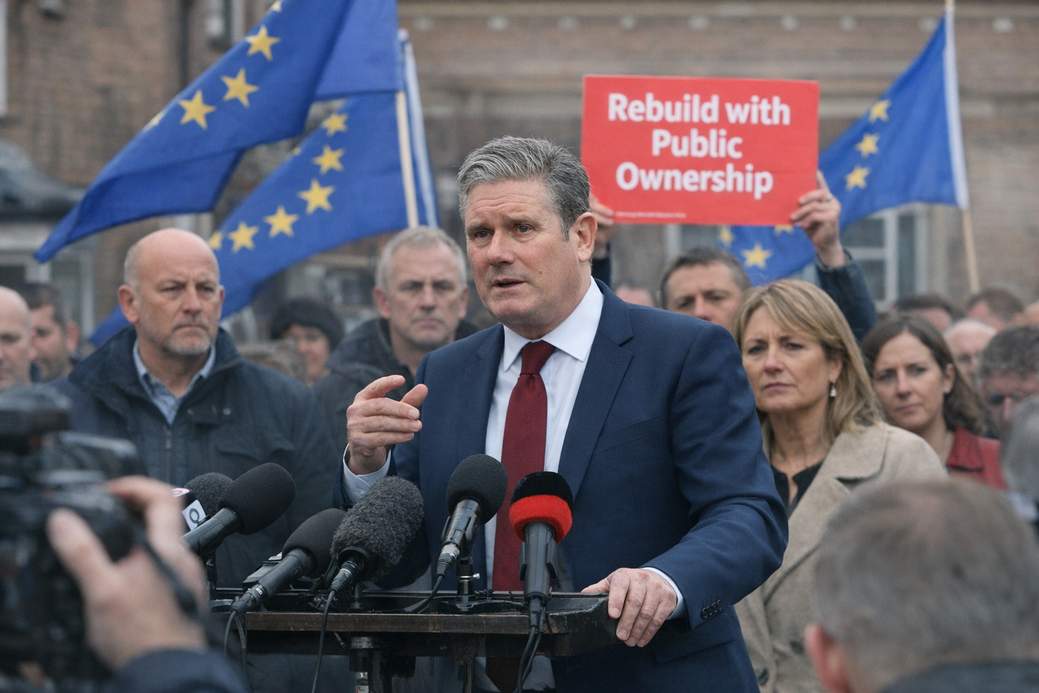
Keir Starmer told Labour members he wants to steer the UK closer to Europe after a bruising round of local and regional elections. He argued that leaving the EU left the country weaker and poorer, and said rebuilding links with European neighbours is on the agenda — though he didn’t lay out a step-by-step map for how to get there.
He positioned his government as a corrective to the Conservative years, promising a shift in foreign policy to mend fences with partners across the channel, while keeping specifics for future announcements.
Local losses and political heat
The party’s setback was sharp: more than 1,400 council seats vanished in England and Labour slid to third place in parts of Wales, which has amplified pressure from inside the party and prompted calls for new leadership. Starmer admitted voters are fed up and that some colleagues doubt him, and he vowed to turn that skepticism into support by delivering results.
The result also triggered regional fallout — a Welsh leader resigned and Labour lost ground in Scotland, including the party’s Scottish leader losing his seat — a reminder that local ballots are being read as a national temperature check even after last year’s general election.
Plans on the table and rivals on the march
Starmer sketched out a handful of policy moves: greater government control over energy and key industries, a bill to bring British Steel back into public ownership, efforts to loosen trade frictions with the EU, and talks about a youth mobility scheme to let young Britons work in Europe for a spell.
At the same time, Reform UK seized on public unease, picking up hundreds of council seats in England and gaining representation in Wales and Scotland with a simple, aggressive message aimed at unseating Starmer. Meanwhile, the government is preparing a new legislative program to be presented at the opening of Parliament.