Diplomatic Deadlock: Iran Leaves Islamabad as US Envoys Skip Pakistan Amid Strait of Hormuz Tensions
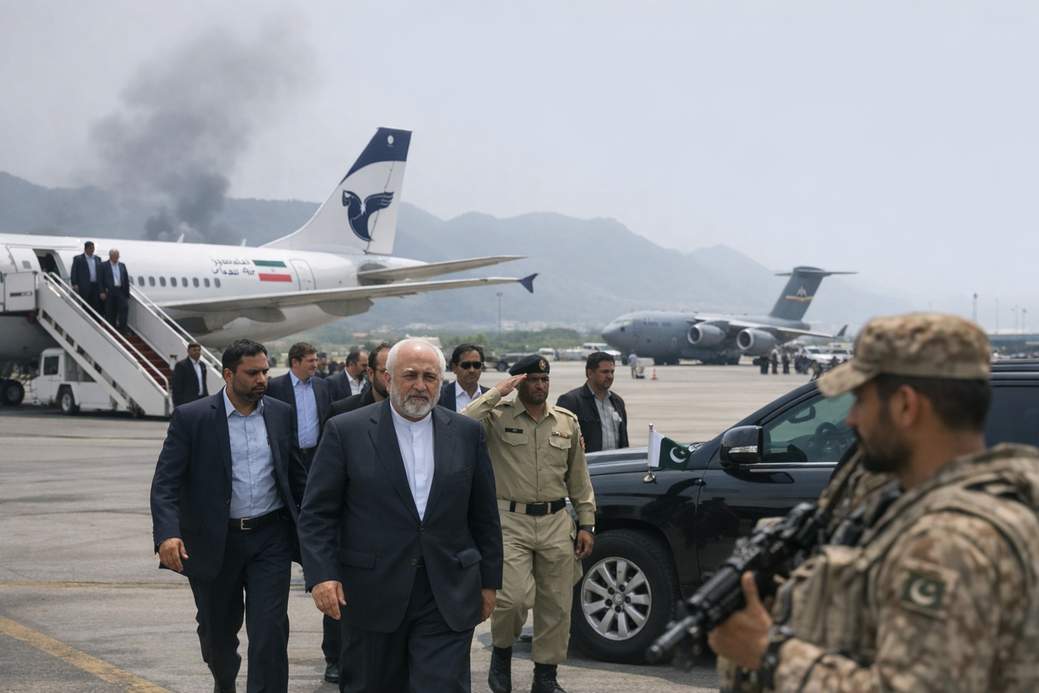
Diplomatic tango hits pause
Attempts to kick off ceasefire talks sputtered when Iran’s top diplomat left Islamabad and U.S. envoys canceled their trip to Pakistan. The planned handshakes turned into awkward waves from across the room: Tehran pulled out, and Washington’s representatives stayed put after an order not to travel.
President Trump declared the ball is now in Iran’s court and even tossed out a blunt invitation — “if they want to talk, all they have to do is call.” Recent face-to-face meetings had set the stage, but trust is thin and the choreography of diplomacy keeps tripping over old grievances.
Strait of Hormuz: chokepoint, wallet pain, and saber rattling
Control of the Strait of Hormuz has been the main headache — it channels a massive share of global oil and a near-closure has sent energy prices sharply upward. Shipping snarls for oil, gas, fertilizers and other goods have added economic friction just when nobody needed more of it.
There have been attacks on ships and a U.S. naval blockade on Iranian ports. Orders were even issued to target small vessels suspected of laying mines, while Iran shuffled its diplomats around and resumed some commercial flights, mixing diplomacy with a dose of posture.
Fragile ceasefires and the human toll
Ceasefires have flickered on and off: fighting between Israel and Hezbollah restarted, and cross-border strikes and launches of rockets and drones kept tensions alive. Military commands on all sides have warned of strong responses if blockades or attacks continue.
The death toll has grown in several countries and includes military personnel, peacekeepers and civilians. With ceasefires holding unevenly, leaders face the awkward task of balancing security demands, nuclear concerns and regional alliances while trying to keep talks from collapsing entirely.