When Clint Eastwood Became Mayor to Bring Back Ice Cream Cones to Carmel
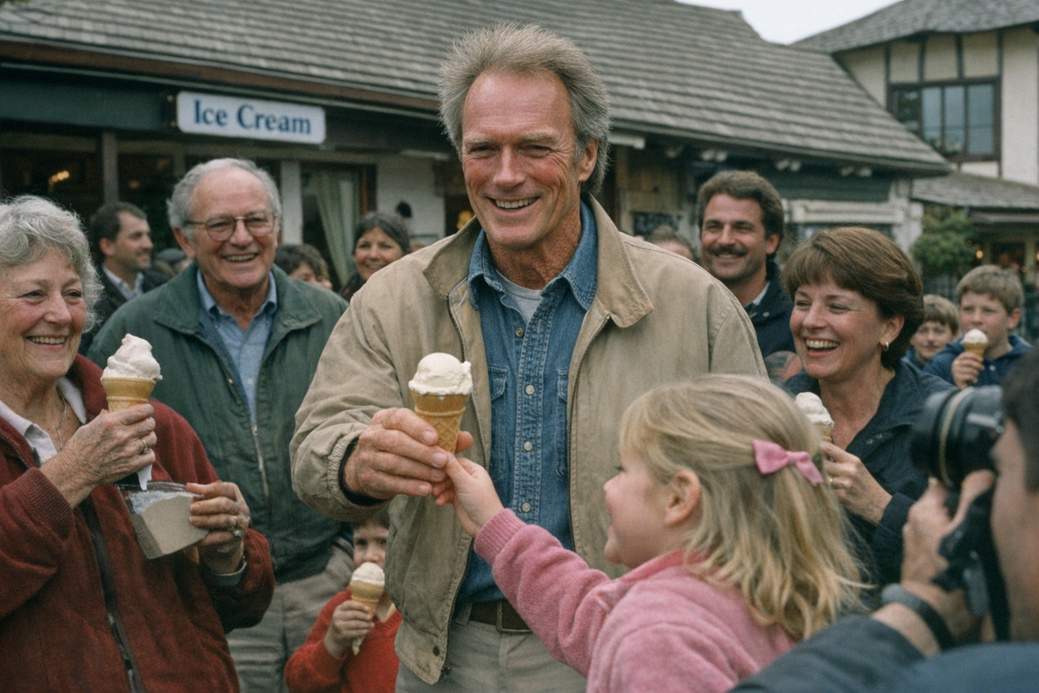
Why Carmel banned cones (and why that’s hilariously old-school)
Carmel is a tiny California coastal town with an artsy, tucked-away vibe and about 3,200 people. Back in 1929 the town decided it liked being residential so much that it made rules to match: food had to be served in covered containers, and the humble ice cream cone was officially out of the question. The idea was neat and tidy—no drips, no sticky sidewalks, no carnival chaos creeping into the neighborhood.
Decades later that polite restriction started to rub some residents and merchants the wrong way. In 1985 a permit for an ice cream stand was denied to prevent “messy” streets, and the calm little ordinance suddenly felt less like quaint protection and more like a business chokehold. People split into camps—keep the quiet charm, or let the town breathe a little.
Eastwood’s mayoral mic drop
Enter Clint Eastwood, who had been living in Carmel since the 1970s and getting involved in town life. Frustrated by bureaucratic roadblocks—from trouble opening an office to the ice cream denial—he jumped into the political ring at the last minute. His message was straightforward: cut red tape and stop treating life like it needs a permit for every small pleasure.
On April 8, 1986 he won decisively, taking 2,166 votes to his opponent’s 799. As mayor he split time between film work and weekly trips to council meetings, using his position to roll back the 1929 restrictions and loosen rules that had kept the local economy boxed in. Merchants and visitors noticed the difference almost immediately.
After the cone revolt: legacy and ripple effects
With the cone ban lifted and other rules relaxed, new businesses began to take root and tourism picked up. A merchandising boom—full of novelty items riffing on the mayor’s fame—pumped extra money into the local economy, even if it sparked disputes over who could use the cheeky “Clintville” name. The mayor didn’t run again, choosing family time over a long political career, but the changes stuck around.
The ice cream story became more than a tale about frozen treats; it turned into a little legend about how a single, seemingly silly rule can shape a town’s character—and how one determined resident can nudge that character in a new direction. Sweet victory, indeed.