Global Reactions and Regional Fallout After US and Israel Strike Iran
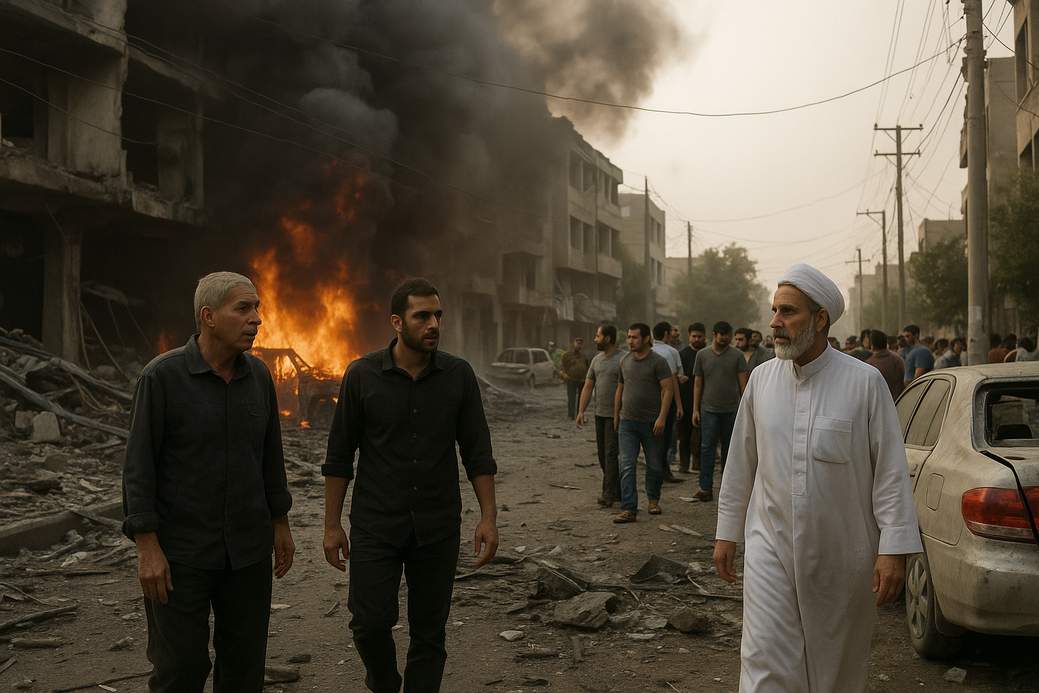
Global reactions and the political tug-of-war
Governments around the globe reacted fast — and not in unison. Some Western allies voiced backing for the strikes as a move to curb Iran’s nuclear ambitions and limit regional threats, while others warned the action could light a much bigger fuse. A handful of countries publicly endorsed measures to prevent nuclear proliferation, and some activated emergency consular steps for citizens in the region.
At the same time, several European capitals urged calm, called for restraint and pushed for urgent diplomatic talks at the United Nations to avoid wider conflict. Others outright rejected unilateral military steps, saying they risk destabilizing an already fragile international order and placing civilians in danger.
Regional fallout and on-the-ground tensions
In the Gulf, tensions spiked quickly. A number of states reported missile activity and activated air defenses; at least one country said intercepts caused debris that killed a civilian and damaged property. Several regional governments condemned the attacks, emphasized sovereignty concerns and warned that continued strikes could have serious consequences.
Elsewhere, nations across Asia and Europe urged a return to diplomacy. Some linked the events to broader geopolitical contests, noting how recent partnerships and weapons transfers have influenced local conflicts. Others focused on the humanitarian side, stressing protection for civilians and adherence to international law.
Where this could go next
The immediate horizon looks uncertain: diplomatic calls are multiplying, and international institutions are being urged to convene emergency discussions. Options on the table range from renewed diplomacy and sanctions to further military responses, each with its own risks for escalation. Governments say they will watch developments closely while trying to avoid a full-scale regional war.
For now, the situation remains fluid, with countries juggling security concerns, public safety and international pressure. The coming days will likely determine whether this episode cools off through negotiations or intensifies into broader confrontation.