Operation Epic Fury: Inside the Coordinated U.S.-Israeli Strikes on Iranian Military Sites
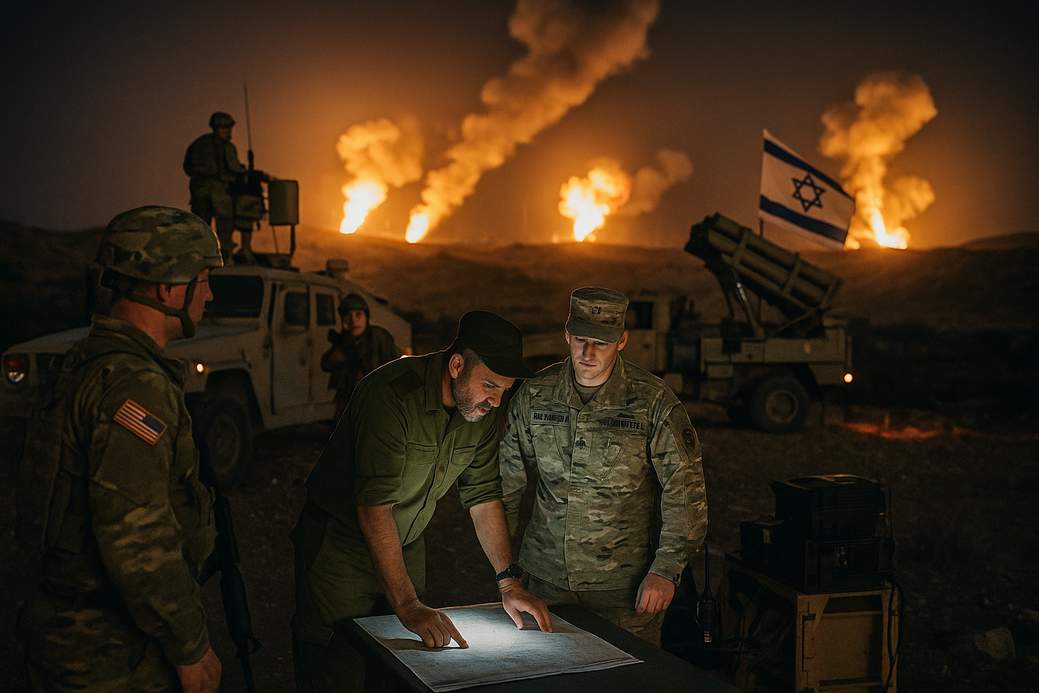
Targets and immediate effects
In a large-scale, coordinated assault, a range of Iranian military and nuclear-linked locations were struck. Command-and-control hubs linked to the Revolutionary Guard, naval assets, underground facilities tied to nuclear activities, air-defense systems, missile and drone launch pads, and several military airfields were among the sites hit.
Leaders said the operation also included strikes on locations associated with the country’s highest leadership. The U.S. president announced that the supreme leader was killed in the attack, and reports indicated dozens of senior security and regime figures were among the casualties.
How the strikes played out
The campaign unfolded quickly, with planners accelerating the timeline after a target-of-opportunity presented itself. Rather than a sleepy pre-dawn whisper, some strikes came during daylight to preserve surprise. The first wave used long-range cruise missiles alongside one-way attack drones, and the operation was given a forceful name: Operation Epic Fury.
Targets were spread across multiple regions at once, a deliberate tactic to overwhelm defensive systems and complicate a coordinated response. Military aircraft, cruise missiles and unmanned weapons all featured in a multi-vector approach intended to hit high-value nodes simultaneously.
Aftermath and what comes next
Officials warned the campaign could continue for days, with follow-up strikes possible as planners reassess targets and enemy defenses. The accelerated tempo and geographic reach suggest the intent was not just to damage assets but to disrupt broader operational networks.
Heightened alert levels and security checks followed the strikes, and leaders used strong language about the operation’s goals. On the ground, the situation remains fluid as authorities and civilians alike digest the immediate impacts and anticipate potential next moves.