Iranian Attacks Target Kuwait’s Government and Energy Infrastructure
What happened
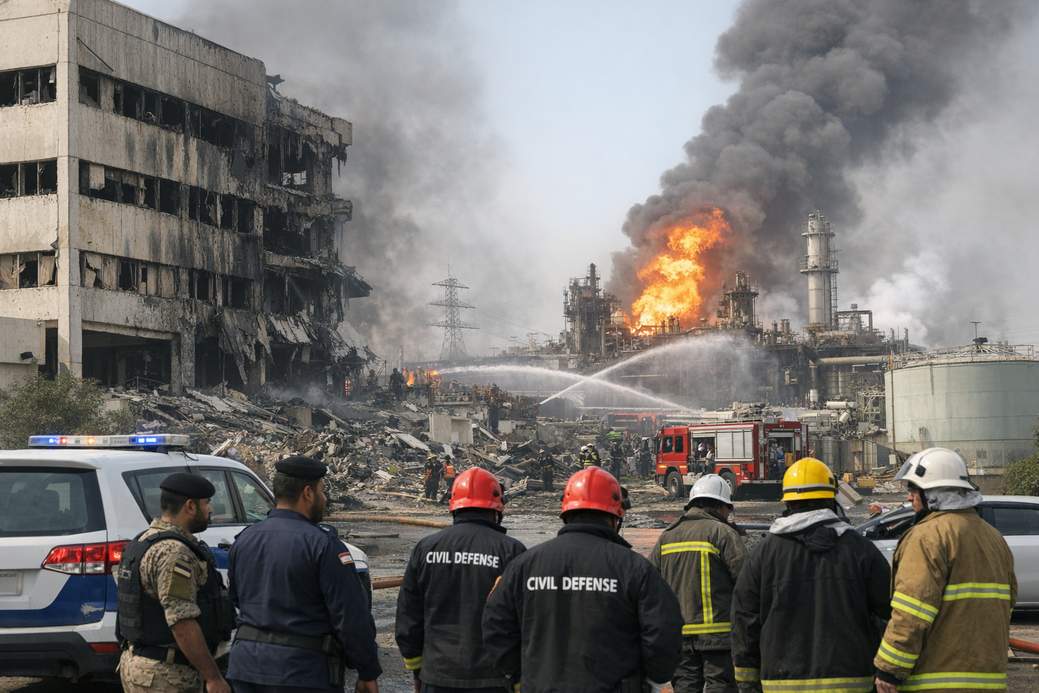
Early Sunday, Kuwait was struck by a wave of attacks that hit government buildings and energy facilities — drones and missiles are the culprits in this not-so-great wake-up call. A ministries complex in Kuwait City and a petroleum facility in the Shuwaikh area were among the targets; staff evacuated, fires were fought, and damage assessments began once the dust settled.
No mass casualties were announced, but material damage forced authorities to shift employees to remote work temporarily while emergency teams secured the scenes and checked the safety of personnel and infrastructure.
Impact on utilities and services
Two power plants and desalination units also took hits, knocking generation units out of service and causing significant property damage that responders scrambled to contain. The electricity and water networks were prioritized for protection so public services could be restored and basic needs met.
The strikes disrupted operations at oil and gas facilities as well, creating immediate technical headaches for energy providers and raising concerns about short-term interruptions to fuel, LNG and fertilizer shipments that travel through the region.
Regional context and consequences
These incidents are part of a broader escalation tied to a recent offensive in the region, with military moves and counter-moves stretching across Gulf states and drawing attention to strategic chokepoints like the Strait of Hormuz. International discussions about protecting maritime transit and whether to authorize defensive actions have been delayed while diplomats and officials weigh next steps.
The situation has thrown a spotlight on how quickly regional skirmishes can ripple into global supply chains and energy markets, prompting governments to juggle security measures, emergency repairs and the logistics of keeping commerce moving.