Hormuz Eruptions: Strikes, GPS Jamming & Rising Threats Disrupt Strait of Hormuz
Flashpoint in the Strait
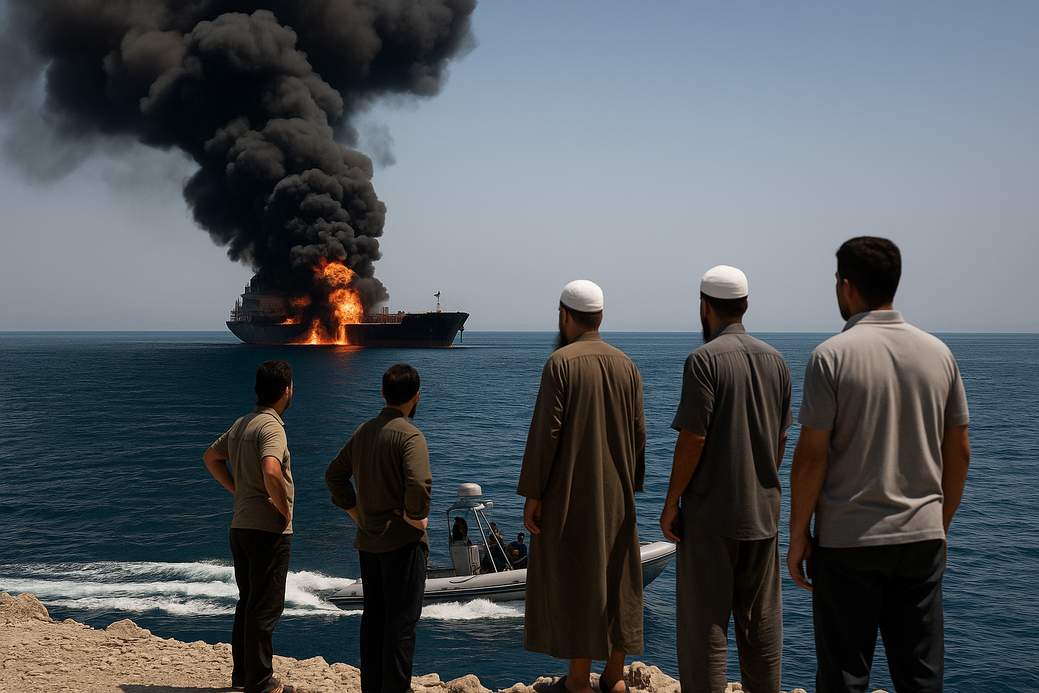
The Strait of Hormuz suddenly turned into a trouble spot after strikes sparked a wave of electronic interference and a string of maritime incidents. Explosions and fires were reported on multiple commercial vessels, with projectiles detonating close alongside some ships and others suffering strikes above the waterline.
Ship crews scrambled, and several vessels altered course or shut down tracking systems to reduce risk. The whole area started feeling less like routine shipping lane and more like the set of a tense sea thriller.
Navigation chaos and detours
At the same time, widespread GPS and identification-system disruption scrambled where ships appeared to be, with false positions popping up far from the sea. Electronic interference affected hundreds to over a thousand vessels, making safe navigation a real headache.
Major carriers began rerouting services to avoid the area, and tanker traffic thinned as some tankers reversed course or went radio-silent. That matters globally — a notable share of the world’s oil and gas passes through these waters, so delays and detours have ripple effects.
Threats, responses, and what’s next
Beyond the immediate blasts and jamming, threats were raised for neighboring seas, increasing the risk for nearby shipping corridors. Vessels linked to certain nations were viewed as higher-risk targets, though any ship could end up in the crossfire or struck by mistake.
For now, ship owners and crews are prioritizing safety: keeping distance when possible, plotting longer routes, and watching for both physical and electronic dangers. The situation remains fluid, so expect shipping patterns and precautions to keep changing on short notice.