Historic US-Israel Strikes on Iran: A Regime Survival Test for Tehran
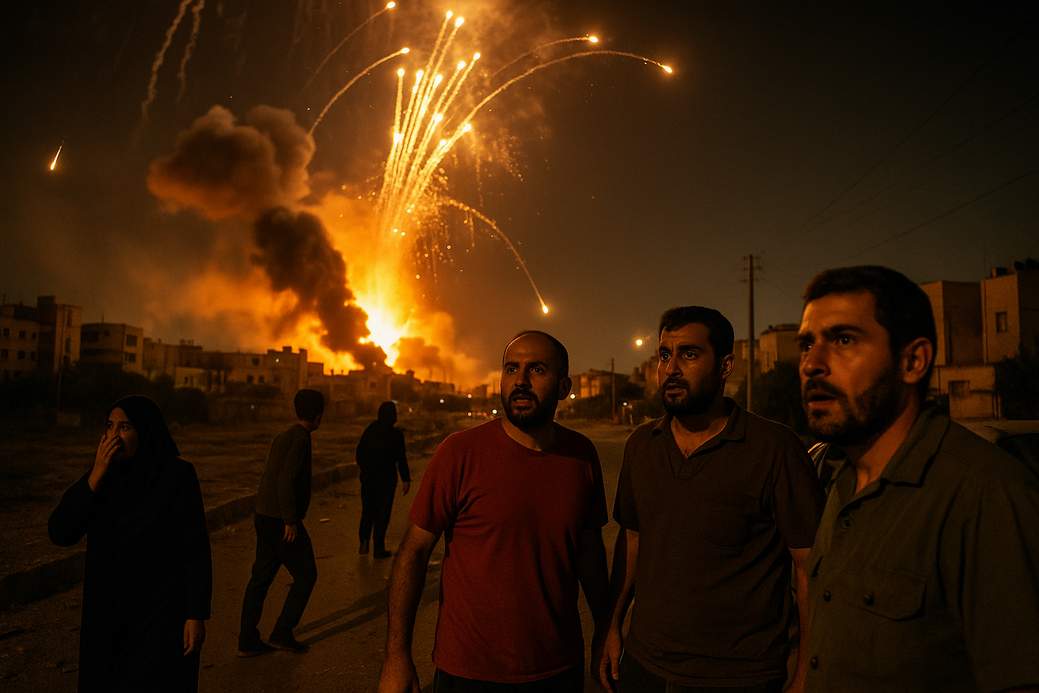
First light: joint strikes and immediate fallout
At dawn, American and Israeli forces launched coordinated strikes inside Iran, hitting several military sites. Within hours, satellite images started making the rounds showing damage at a compound linked to Iran’s top leadership, and that sparked air-raid alerts across parts of the country.
Iran responded with missile salvos. Officials reported dozens of incoming projectiles in some barrages, though early briefings didn’t list widespread destruction. There were also unconfirmed reports that a senior figure tied to Iran’s programs may have been killed; formal confirmations remained pending as assessments continued.
Daily life goes into defense mode
Back home, routine was anything but. Shelters were readied, some schools shifted to remote lessons, hospitals moved patients to fortified areas, and families checked their protected rooms. Authorities urged people to follow safety instructions and to avoid sharing live locations of strikes.
Israel mobilized large numbers of reservists—many called up for air defense, home-front duties and border reinforcement—and posted forces along multiple frontiers in case of wider clashes with Iran-backed groups. Citizens abroad were also advised to be extra cautious as officials monitored possible threats overseas.
Why it happened and what comes next
Leaders framed the operation as aimed at degrading military capabilities and countering advances in missile and covert nuclear-related projects. The campaign was described as deliberate and potentially extended, with a clear message that it would continue while the perceived threats remain.
For now the region is on edge. Militaries are positioned, governments are urging calm and caution, and people are watching closely to see whether this chapter intensifies, de-escalates or sets a new normal for regional tensions.