Gulf States Condemn Iranian Missile Strikes Amid Rising Regional Tensions
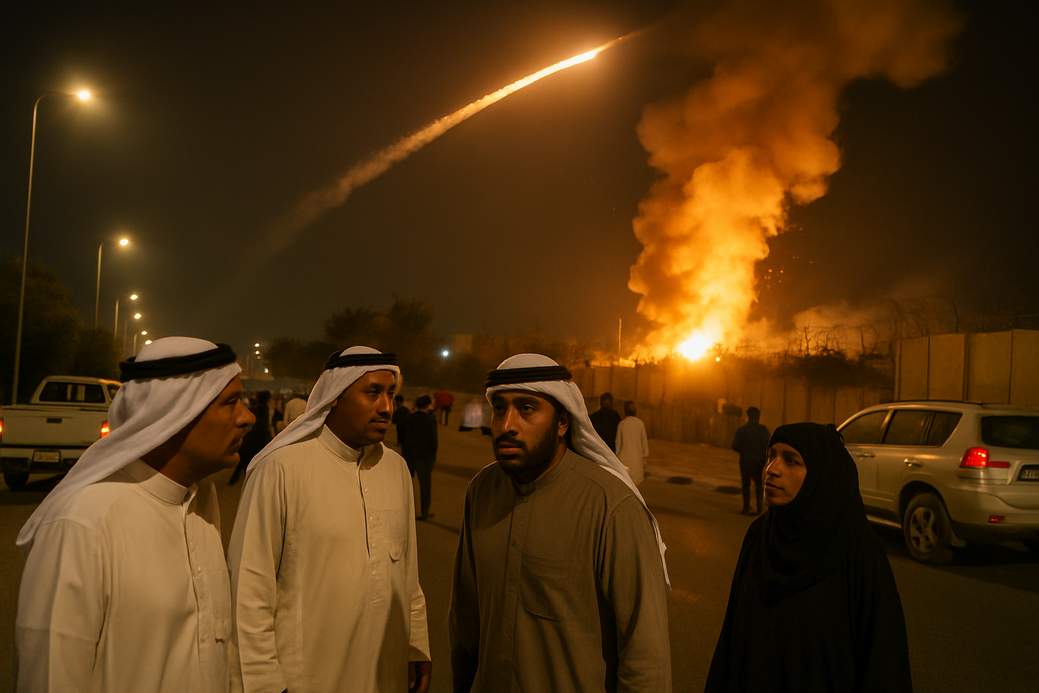
Missiles, chaos, and the odd diplomatic dodge
In a sweeping response to a recent U.S.–Israeli operation, Iran launched a barrage of missiles across the region. The strikes focused on U.S. military sites in the Gulf—Oman appears to have been left alone—while around 40 missiles landed in Israel. Some projectiles were intercepted over Iraq, and one impact seemed to involve a major naval presence; there were no immediate reports of casualties from those naval strikes.
Aside from the U.S. targets, missiles were also fired toward Saudi Arabia and Jordan, places where advanced air squadrons operate. Air defenses in various countries engaged incoming threats, catching several missiles before they could do worse.
Who was affected and what went wrong
Several Gulf states said they were hit or targeted. Qatar reported that its defenses successfully foiled multiple attacks and that residential areas avoided immediate injury or large-scale damage. Saudi authorities stressed solidarity with neighboring countries and warned of serious consequences for violations of sovereignty.
The United Arab Emirates confirmed it intercepted a number of ballistic missiles but also reported falling debris that caused one civilian fatality and some material damage. Jordan and Lebanon issued strong condemnations of the strikes, emphasizing regional stability and sovereignty.
Diplomatic fallout and the awkward mediators
Gulf capitals blasted the retaliatory strikes and made it clear they reserve the right to defend their territories. At the same time, Oman singled out the original U.S.–Israeli action as dangerous and urged an end to military escalation, calling for international intervention to push for a ceasefire and a return to diplomatic channels. That diplomatic tug-of-war continued even as air defenses and militaries stayed on high alert.
The situation remains volatile, with governments juggling urgent defense measures and last-ditch diplomatic moves to prevent wider conflict.