G7 Condemns Strait of Hormuz Attacks, Commits to Securing Global Oil Flow
G7 Response and Energy Security
The G7 branded the recent strikes as unjustifiable and reckless, and said it is prepared to take whatever measures are needed to keep global crude oil supplies steady after transit through the Strait of Hormuz was disrupted on February 28.
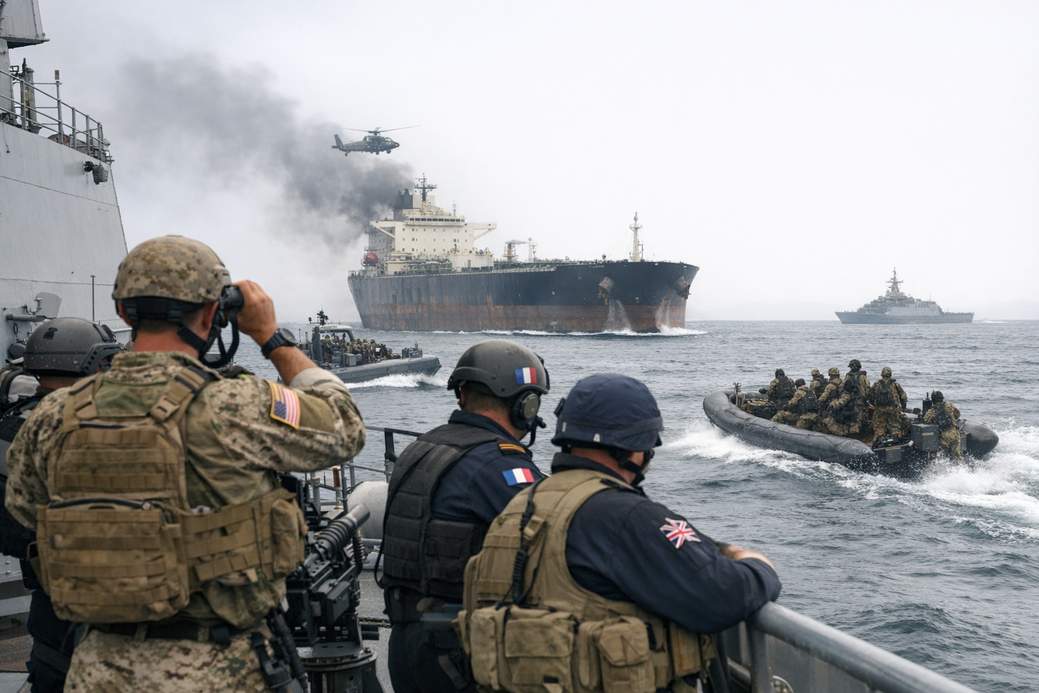
The group stressed the importance of protecting maritime routes — the Strait of Hormuz and related sea lanes — and backed actions to support the global energy market, including the release of emergency reserves decided earlier in March.
Coalition Pushes to Reopen the Strait
More than twenty countries announced they are ready to contribute to efforts to reopen the maritime corridor. In a joint statement they condemned attacks on unarmed commercial vessels and on civilian and energy infrastructure across several Gulf states, and demanded an immediate and unconditional end to such operations.
The foreign ministers also affirmed the right of targeted countries to defend their territory and citizens, opposed militia attacks on diplomatic facilities and energy sites, and reiterated concerns about ballistic missile programs, nuclear ambitions, destabilizing activities abroad, and repression at home.
Strikes, Damage Control, and What’s Next
Military officials reported that strikes on an underground facility used to store cruise missiles, along with associated intelligence and radar sites, reduced the ability to threaten freedom of navigation in the Strait of Hormuz by degrading systems used to monitor ship movements.
The reported operations used large munitions against a fortified coastal complex. Authorities signaled they will continue to take steps to protect navigation and energy supplies while diplomatic and multilateral efforts to keep the sea lanes open continue.