Congo Raises Suspected Ebola Deaths to 131: Latest Update and Challenges
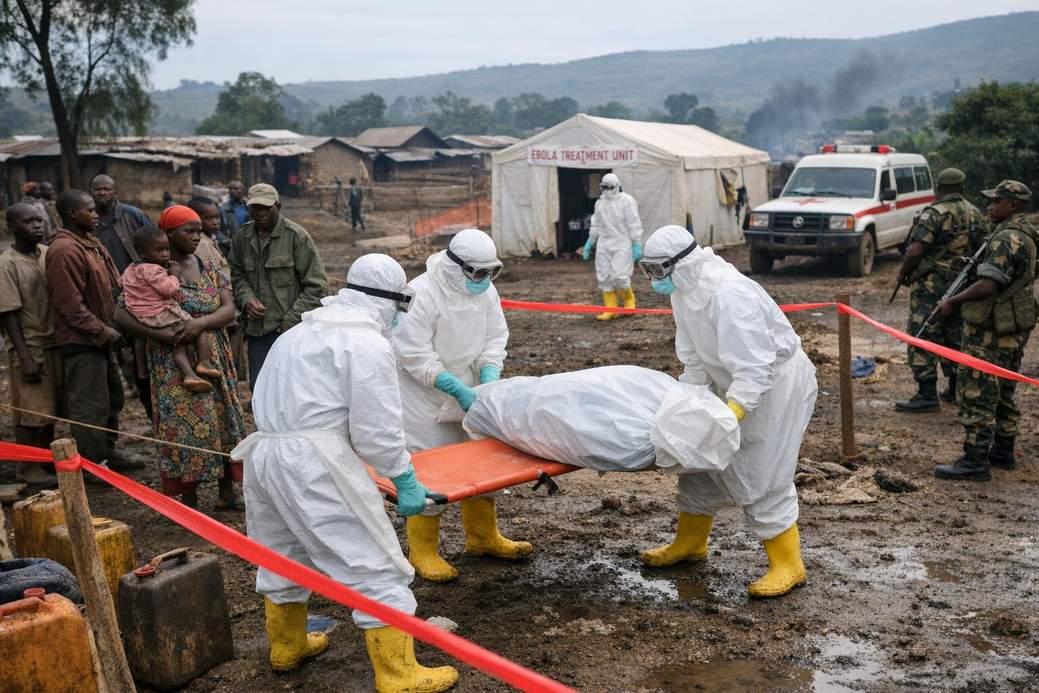
Latest numbers and what ‘suspected’ means
Fresh tally: health officials are reporting 513 suspected cases and 131 suspected deaths in eastern Congo. The key word here is “suspected” — investigators are still sorting out which of those deaths were definitely caused by Ebola and which were not. So the figures could shift as tests come back and records get cleaned up.
Think of it like a messy inbox: some items will be confirmed, some will be deleted, and a few surprises might appear. For now, the situation is being tracked closely and numbers are provisional.
Where the virus is moving (and why it’s tricky)
The outbreak centers in the eastern province of Ituri — hotspots include Mongwalu, Rwampara, Bunia and Nyankunde — with cases also popping up in neighboring North Kivu, including parts of Butembo and Goma. The strain involved is Bundibugyo, which historically has a fatality rate of roughly 25% to 40%.
Movement of people, porous borders, and active conflict in the region make containment harder. There are also reports of cases crossing into nearby countries, meaning the ripple effects extend beyond Congo’s borders.
What comes next: risks, response, and a quick history refresher
Ebola spreads through direct contact with bodily fluids, and symptoms can include fever, vomiting, severe diarrhea, and bleeding. Fatality rates for Ebola vary widely, from the lower end around 25% up to as high as 90% in the deadliest outbreaks — a reminder that outcomes depend a lot on the strain and the speed of response.
Frontline health workers have been affected, which complicates efforts to treat patients and trace contacts. With no guaranteed vaccine for every strain, response plays out through testing, isolation, community engagement, and travel and border measures. Some countries have tightened controls and postponed or scaled back large public gatherings as a precaution.
Congo has wrestled with Ebola many times since the virus was first identified in the region in the 1970s, so local teams bring a lot of hard-won experience to the fight — even while security problems and logistics keep making life difficult for responders.