Israel and Lebanon Restart Washington Talks to End War and Disarm Hezbollah
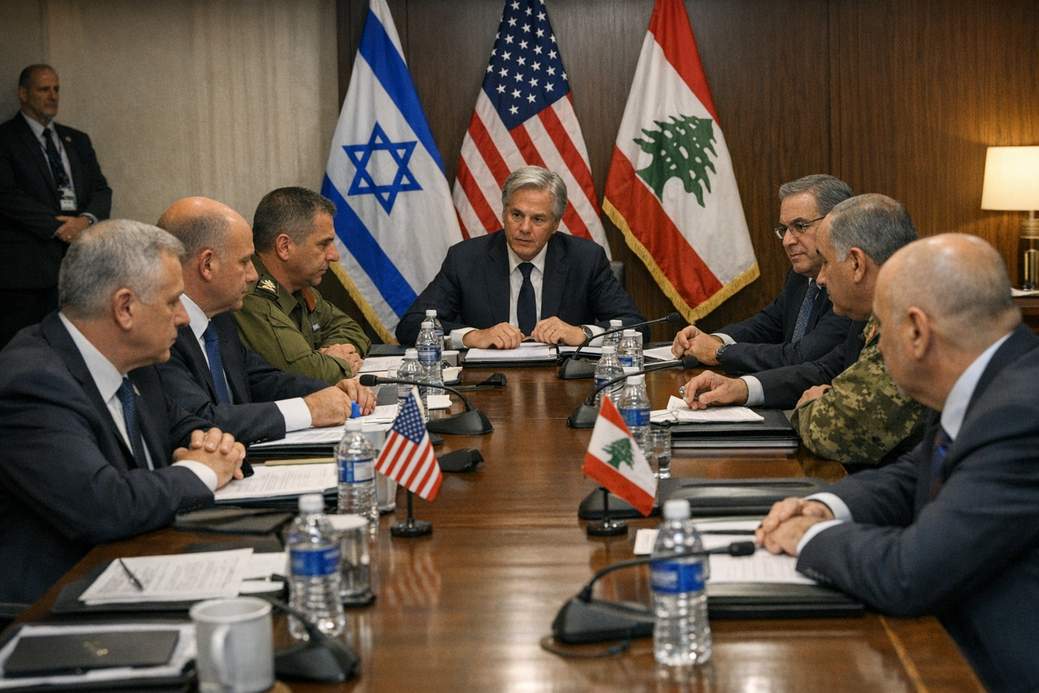
Washington hosts a tense restart
After earlier April meetings, Israel and Lebanon are back in the U.S. capital for a fresh two-day, U.S.-mediated negotiation session aimed at halting the fighting and hashing out tricky security issues. Each side has sent senior envoys and ambassadors, while U.S. officials are playing host — though the president and the secretary of state won’t be in the room this time because of an official trip abroad.
This is the third round of talks between two countries that don’t have formal diplomatic relations; expect lots of careful phrasing, behind-the-scenes coffee, and slow-moving but important bargaining over details.
Fighting keeps creeping into the conversation
Even with a ceasefire in place since April, violence has continued in parts of Lebanon. Lebanese authorities report hundreds of deaths after the truce began and thousands since the heavier bombing started in March. Airstrikes and ground movements have been reported in border areas and in the southern suburbs of Beirut.
Israel says it will continue operations against armed groups it views as threats, while Hezbollah’s actions — and Iran’s support for the group — remain major sticking points during the talks.
The messy checklist: disarmament, security, and red lines
A central issue at the table is how to address Hezbollah’s weapons and activities: whether the group can be disarmed, how that would be verified, and what guarantees Lebanon would receive in return. Beirut insists on a security framework and an end to attacks as part of any deal, while regional actors push for a lasting ceasefire before broader agreements move forward.
Negotiators are likely to spar over maps, monitoring mechanisms, timelines, and verification steps — the kind of detail-heavy diplomacy that might feel slow but could be key to preventing a return to wider hostilities.