King’s Speech Reveals Challenges for Labour Government Amid Crisis
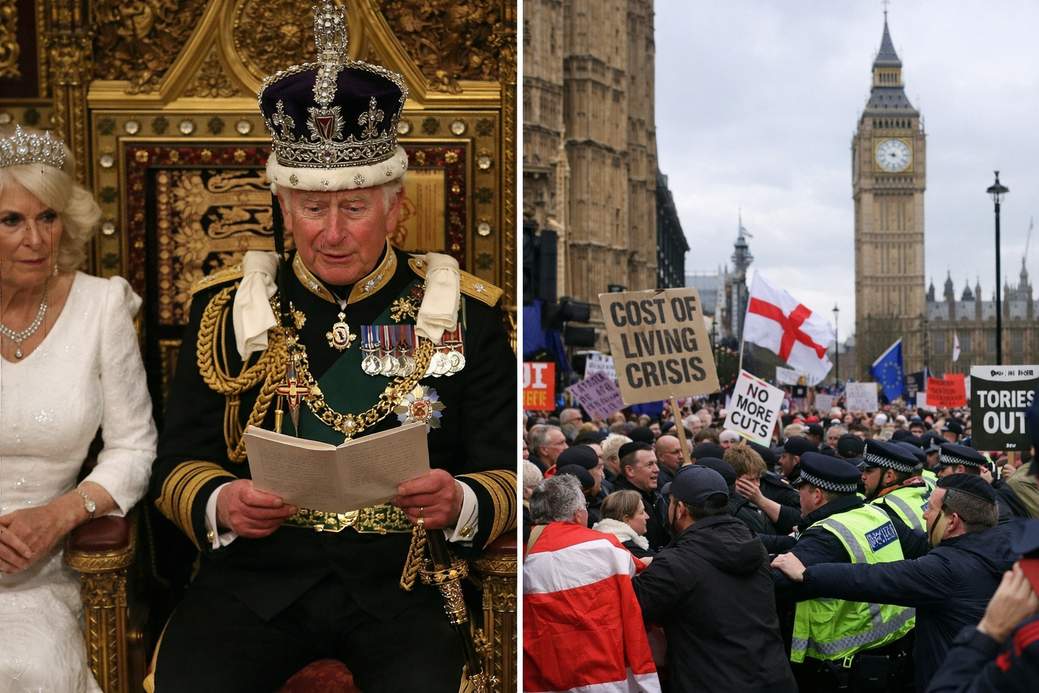
Ceremony Meets the Modern Mess
The day will be all crowns, cloaks and choreography — a centuries-old parade where the monarch reads out the government’s to-do list with all the historical fanfare you’d expect. It’s the kind of ritual that makes Britain look like a living museum, while the country quietly nurses an underfunded military, rising debt and overstretched public services.
That contrast is the point: a glittering ceremony staged to underline democratic continuity, even as real power lives in the elected House of Commons. The pageantry is ancient, the problems are very now, and the gap between the two is hard to ignore.
Starmer’s Political Tightrope
For the Prime Minister, the King’s Speech is less a royal moment than a political stress test. Recent local and regional losses have left his leadership wobbling and critics whispering — and not all whispers are gentle. A speech to party supporters tried to push back, but many felt it lacked the bold fixes people are asking for.
The pressure turned public on Tuesday when a senior cabinet member resigned, arguing the party needs sharper debate and a more forceful fightback. That kind of drama makes the government’s ability to drive the agenda — and to get laws through Parliament — look a lot less assured.
What to Expect from the Script
The King will read proposals the government has drafted: measures to tackle the cost-of-living squeeze, talk of a national wealth fund to lure private money into public projects, and tighter asylum rules. There may also be controversial ideas on the table — from changing jury trials in some cases to lowering the voting age to 16 and introducing a new “duty of honesty” for public officials.
Many of these plans have already been floated in headlines, so the big question is whether the speech can turn old announcements into fresh momentum. Once the monarch departs, both houses will spend days picking the government’s program apart — debate, drama and the slow work of deciding what actually becomes law.