Iran’s Fuel Challenge: Navigating the U.S. Blockade to Reach China
Stuck at Sea: Iran’s Fuel Puzzle
Iran has been trying to move fuel toward buyers but keeps running into a maritime and financial squeeze. Imagine a game of navies-and-paperwork where the sea lanes are lined with red tape and watchful ships — a tricky place to sneak oil past. The result: sellers and shippers are hunting for creative ways to make transactions happen without attracting too much attention.
Moving big loads of fuel isn’t just about filling a tanker and waving goodbye. Vessels, bank transfers, insurance and port clearances all need to line up. When one link in that chain is controlled tightly, the whole plan can fall apart — which is what’s been happening as attempts to get fuel to buyers hit enforcement and logistical headaches.
Workarounds on the Table
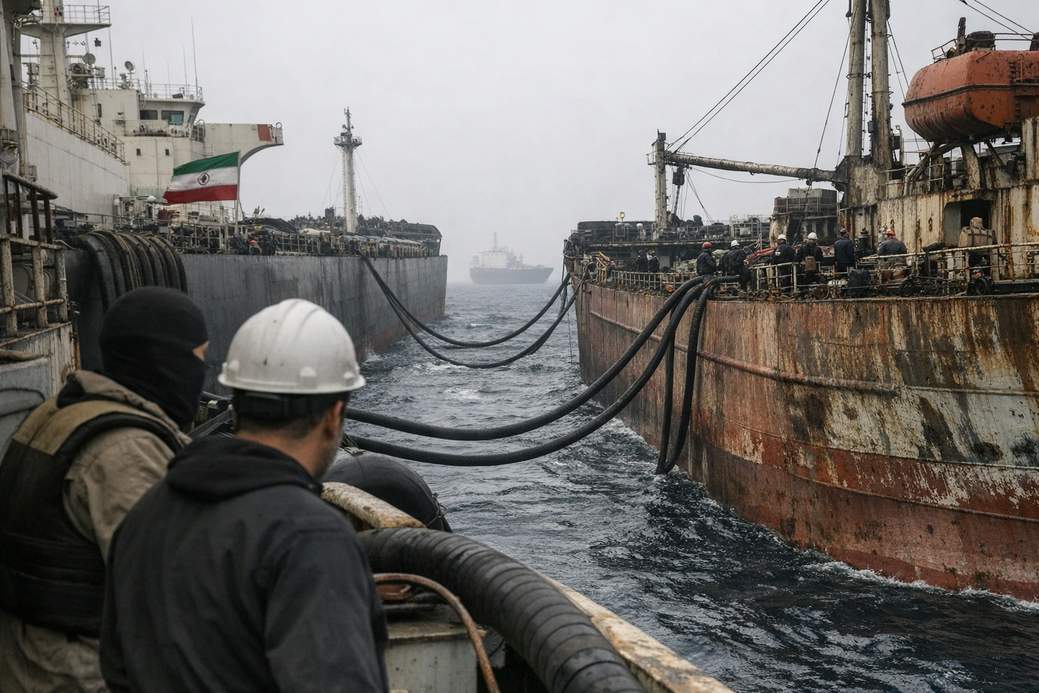
There are a few coax-and-conceal plays that get floated when direct routes are blocked. Ship-to-ship transfers, for example, let cargo jump between hulls at sea so paperwork shows a different journey. Another trick is routing shipments through third-party jurisdictions or using shell companies and middlemen to mask ownership and destination.
Barter-style deals or payment workarounds are also in the mix: instead of straight bank payments, parties may arrange swaps of goods, use local currencies, or rely on informal banking networks. Each option raises its own logistical puzzles and risks — like higher costs, longer timelines, and the chance of getting noticed by authorities or insurers.
Wider Ripples: Markets, Diplomacy and the Shipping Maze
Even small tweaks in how fuel moves can jostle regional energy flows and shipping markets. If buyers and sellers shift to covert channels, insurance premiums and freight costs often tick up, and transparency takes a hit — which can slow trade and make planners squint at spreadsheets.
On the diplomatic front, enforcement actions and evasions feed into broader tensions between states, complicating negotiations and trust. Meanwhile, potential customers weigh price, reliability and reputational risk, so the search for a practical, low-profile solution to move fuel continues — awkward, inventive, and far from straightforward.