LIVE: Navigating the Worst Energy Crisis Amid Middle East Conflict
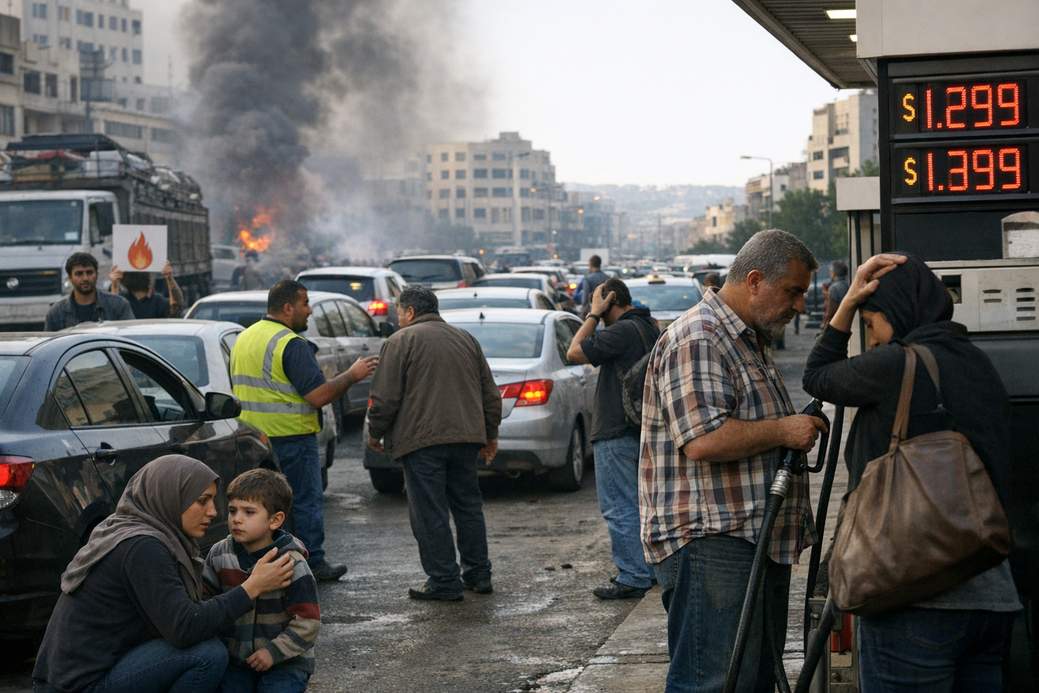
Energy shock in plain English
Imagine the global energy system as a busy subway line. A conflict in a major region is like a sudden tunnel closure — trains slow, schedules collapse, and everyone wonders when the next ride will arrive. When key supply routes or production hubs get disrupted, fuel availability tightens and prices can jump, creating ripple effects for households, businesses, and transport.
That squeeze doesn’t just affect gas station numbers: manufacturers that need steady power, airlines with huge fuel bills, and even the cost of heating can feel the pinch. The result is short-term scrambling, with buyers hunting for alternate supplies and governments dusting off emergency plans.
What might come next and what to expect
Volatility is the likely headline — price swings, supply reshuffles, and occasional rationing or temporary measures from authorities. Some places will redirect imports, others may tap reserves, and longer-term bets on diversified or cleaner energy may gain momentum as a resilience strategy.
Practical moves for people include tightening energy use, budgeting for possible price hikes, and staying tuned to official alerts. Businesses could review supply chains and increase stock where feasible, while communities might see temporary support measures to ease the immediate impact.