Trump’s Long Game: The Prolonged Standoff and Blockade Strategy Against Iran
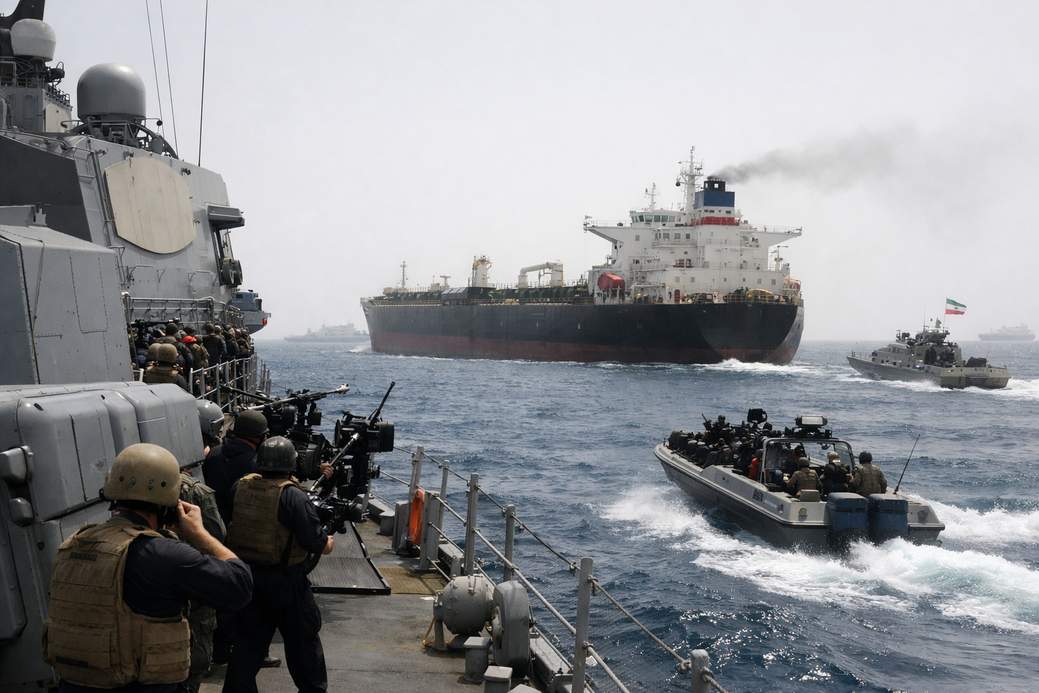
Blockade plan: squeeze, stall, repeat
The president has pushed his team to lay out a long-term blockade strategy aimed at cranking up economic pressure on Iran by disrupting its maritime trade and oil exports. After recent meetings in the White House, the choice landed on sustained pressure rather than a quick return to bombing or a full withdrawal — basically, keep the screws on and see what gives.
The blockade has already nudged global energy prices and slowed traffic through the Strait of Hormuz to levels not seen since this fight began, turning oil routes into a cautious game of musical chairs.
Domestic tug-of-war and the cost calculator
Inside the U.S. there’s a split: some political allies want maximum pressure to force big concessions on Iran’s nuclear activities, while business interests are twitchy about the economic fallout of a long shutdown of the Hormuz lifeline — higher energy bills, supply headaches, and awkward midterm politics are all on the table.
The administration remains insistent on a long-term pause of uranium enrichment — a decades-long fix that leaves little room for quick compromises. Supporters of the blockade argue it’s visibly strangling Iran’s economy, creating storage headaches for oil that can’t be sold and nudging Tehran back toward negotiations. Opponents warn the bill for that pressure could arrive in consumers’ wallets and at the ballot box.
Diplomatic potholes, military risks, and the tightrope ahead
A planned face-to-face did not happen as Iran hit pause to consult with its leadership before sending a revised offer, leaving mediators skeptical that a breakthrough is imminent. Both sides appear to be betting on time as a weapon — which makes for slow-motion brinkmanship.
There’s also the danger of escalation: attempts to hit regional energy infrastructure or naval units enforcing the blockade are possible responses, so the situation remains a high-wire act where sanctions, diplomacy, and the occasional naval maneuver all share the same thin rope.