Iran Strengthens Russia Ties Amid U.S. Deliberation Over Hormuz Proposal
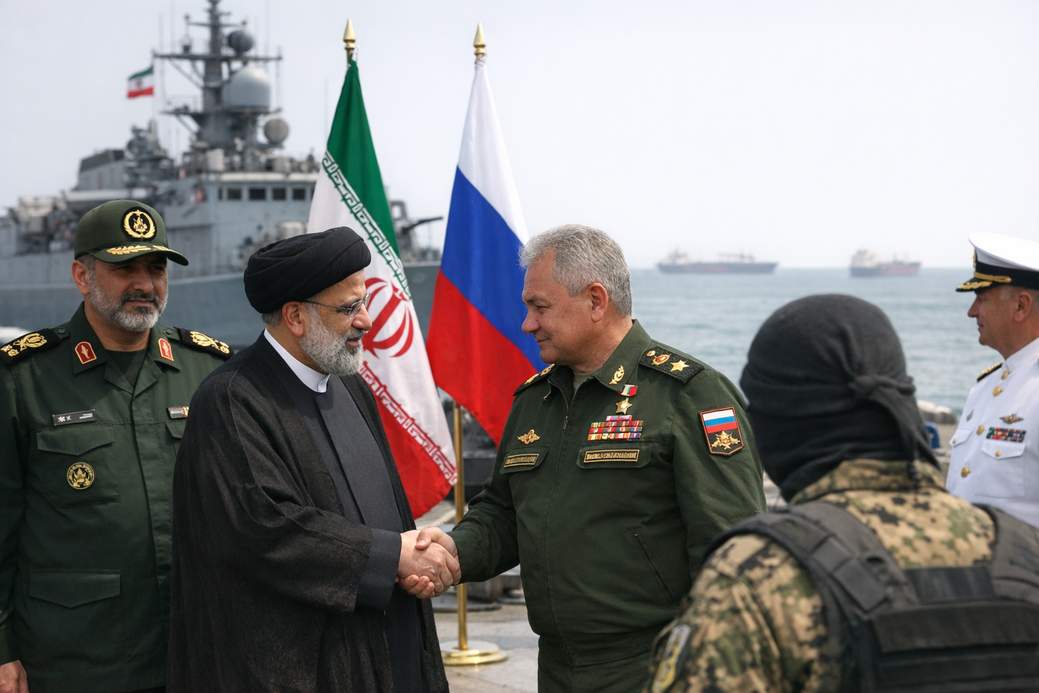
Diplomatic Tightrope: Iran’s Russia Romance
Iran’s foreign minister has been touring, schmoozing, and loudly applauding growing cooperation with Moscow — the kind of relationship that comes with firm handshakes and strategic back-pats. After stops in Oman and Pakistan, he popped up in St. Petersburg to signal that Tehran and Moscow are getting chummier as the region keeps tossing new curveballs.
Officials from Tehran are talking up the partnership as a stabilizer: more high-level meetings, mutual nods to diplomacy, and public praise that makes it clear they want the relationship to look serious and long-lasting. At the same time, Iran insists any deal must include guarantees it won’t be hit again if it offers security assurances in the Gulf — a nonstarter for some, a negotiation opener for others.
Hormuz, Proposals, and Political Ping-Pong
Back in Washington, the mood is less cozy. The U.S. is reportedly chewing over a written proposal Iran sent through diplomatic channels, and top officials have been reviewing what to do next. The proposal has been described as unexpectedly substantive by some U.S. figures, but plenty of skepticism remains about Tehran’s intentions and how to lock down verifiable safeguards — especially around nuclear timelines and control of the Strait of Hormuz.
Diplomatic moves have been erratic: planned envoy trips were postponed, officials traded comments on TV, and the White House says discussions are ongoing while also keeping pressure in place — including restrictions on Iranian ports. In short, there’s a lot of paperwork, a lot of back-channel chatter, and a fair bit of performative brinkmanship.
Everyday Strain and Wider Regional Jitters
Meanwhile, ordinary life inside Iran looks rougher than the speeches suggest. Small business owners and creatives report stalled work, missed rents, and a gloomy economic vibe. Those on the ground describe daily uncertainty and fewer opportunities, even as the government presents itself as steady and strong.
The wider neighborhood isn’t calm either. The Strait’s disruption has rippled through global fuel and commodity markets, and violence elsewhere in the region — including deadly exchanges across the Lebanon-Israel front — keeps tensions high. Political leaders on both sides keep trading warnings and accusations, leaving ordinary people and global markets watching nervously as diplomacy, deterrence, and domestic politics all collide.