France and UK Lead Global Effort to Reopen the Strait of Hormuz Amid Rising Tensions
Paris summit and who’s showing up
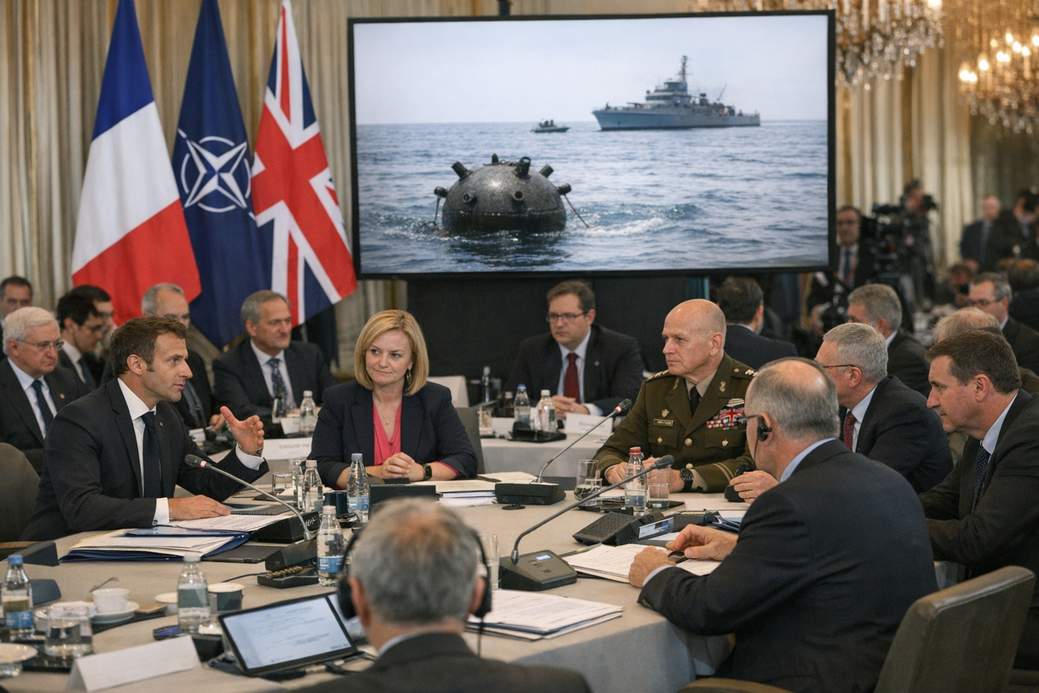
France and the United Kingdom convened a big meeting in Paris, inviting roughly 30 countries from the Middle East, Asia and beyond to talk about getting the Strait of Hormuz moving again. Some leaders were in the room, others dialed in from afar — it was the diplomatic equivalent of a hybrid meeting, but with more flags and fewer awkward mute-button moments.
The gathering aims to build a coordinated response from states not directly fighting in the region, with European, Middle Eastern and Asian representatives weighing in on next steps and possible contributions.
What people are saying and why it’s urgent
The push follows months of disruption in the strait, which handles about one-fifth of the world’s oil shipments and has been effectively choked by Iranian actions since late February. The closure has sent ripples through global trade and energy markets, so nations are scrambling to find ways to reduce the economic fallout without stepping into open combat.
Tensions have been stoked by blunt public statements from some leaders, including calls for partners to shoulder more responsibility and talk of punitive measures, which in turn have raised the risk of further escalation. The Paris talks are meant to show a collective will to act while insisting any operation be defensive and limited to non-belligerent participants.
Possible plans — demining, escorts, and a bit of naval choreography
On the practical side, the options on the table read like a maritime to-do list: intelligence sharing, mine clearance, early-warning networks and communication protocols with coastal states. Direct military escort of every commercial tanker would demand an enormous fleet, so the coalition is likely to focus on tasks that are easier to scale — clearing mines and setting up threat-alert systems rather than full-time armed convoys.
Naval hardware and clever tech will play a role: specialized drones for mine detection, mine-clearance teams, and contributions from ships able to help when conditions allow. Countries have been asked to chip in according to what they can provide, so expect a patchwork operation made from different capabilities rather than a single flagship solution. The aim is simple: keep trade flowing and avoid turning the strait into a much bigger mess.