U.S. Forces to Remain Near Iran Amid Fragile Two-Week Truce and Strait of Hormuz Talks
What Trump Announced
The president said U.S. military assets — ships, aircraft, troops and supplies — will stay in and around Iran until a full, binding agreement is completely carried out. The message made clear that forces will remain positioned to pursue threats and, if necessary, strike decisively against a weakened adversary.
He also warned that a violation of the pact would bring a much larger response, although he described that outcome as unlikely, and noted that forces are resupplying and waiting for further orders.
Truce Details and the Strait of Hormuz
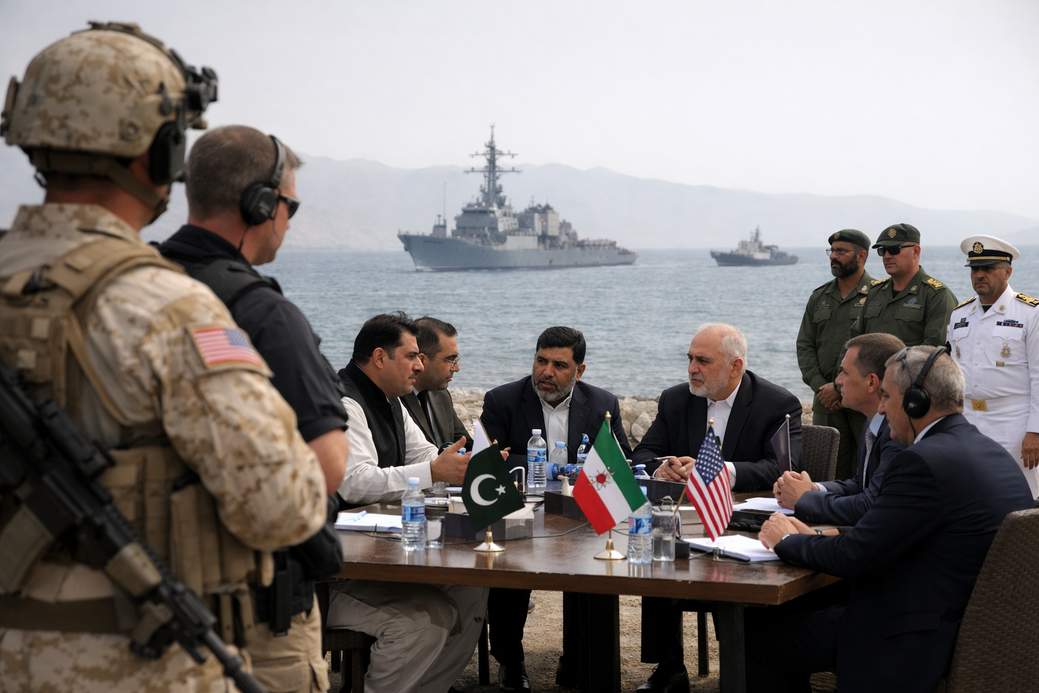
Washington and Tehran agreed to a two-week cessation of hostilities intended as a breathing space to work toward a broader deal. A key part of the arrangement is restoring transit through the Strait of Hormuz, the chokepoint through which a large share of the world’s oil passes, while Tehran said it will keep supervisory control over the waterway.
Officials from the Iranian side said their uranium enrichment program would continue under the understanding, while U.S. statements stressed there would be no nuclear arms permitted and that the shipping lane must remain open and secure.
Closed-Door Talks and Next Steps
Negotiations are set to continue with Pakistan acting as a mediator, and U.S. negotiators have signaled they will discuss a limited set of acceptable points behind closed doors. The administration emphasized that only certain conditions will be on the table and that outside lists or letters from unrelated parties are not part of the talks.
Iran reportedly presented a multi-point proposal that includes reopening the strait, the withdrawal of combat forces from the region, lifting sanctions and codifying commitments in a binding resolution — all to be negotiated during the two-week pause and subsequent discussions.