UN Security Council to Vote on Strait of Hormuz Reopening Resolution
What’s on the table
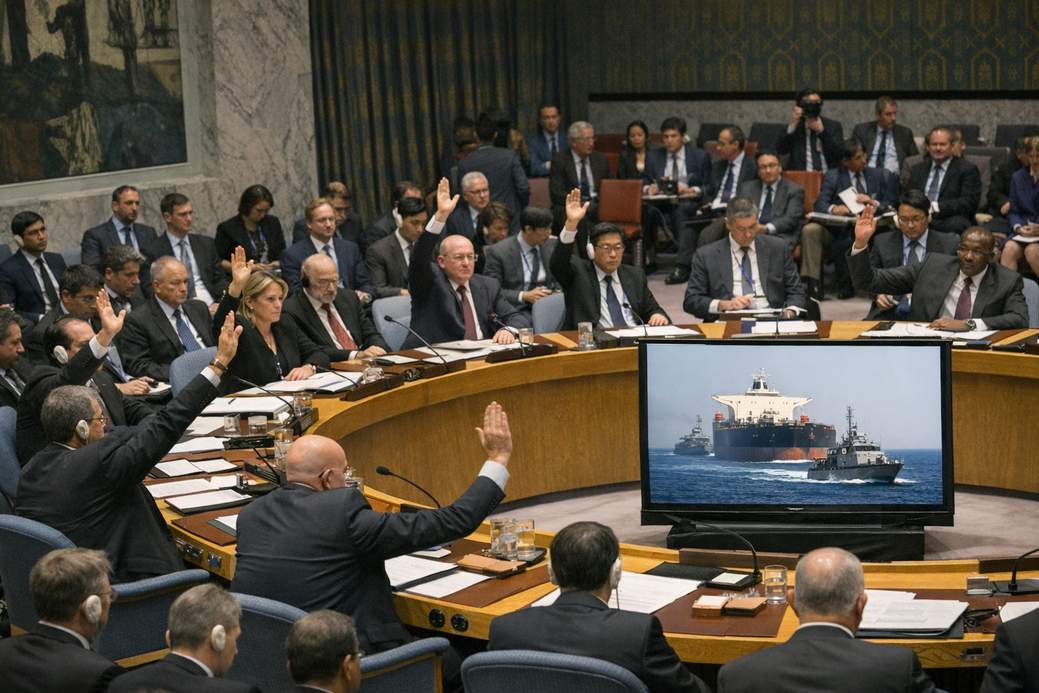
The UN Security Council is scheduled to vote on a new resolution aimed at getting the Strait of Hormuz moving again — but don’t expect a blockbuster. After several rewrites the draft no longer gives a blank check to use force; instead it leans on diplomatic wording and urges coordination to keep ships safe. The vote time has been set, but the result feels like a coin flip after last-minute edits meant to keep the text alive.
The move comes as a ticking clock from Washington nears expiry, and as the closure of the strait since late February continues to rattle global trade and energy markets. Commercial traffic disruptions have raised alarms from oil traders to supply-chain managers, so the pressure to find some sort of solution is very real — even if the language now looks politely defensive rather than aggressively military.
Who’s pushing and who’s blocking
Several Gulf states pushed hard for an explicit mandate that would allow countries to use force if necessary to reopen the waterway. They had backing from some allies, but permanent Council members pushed back, demanding softer phrasing and raising the specter of vetoes. The result has been a diplomatic tug-of-war: a proposal trimmed down, a vote delayed more than once, and a lot of tense hallway consultations.
Bahrain and its partners have been loud about the economic harm from the blockade, while other capitals worry that endorsing offensive action would escalate the conflict. That split — regional urgency versus global caution — is the engine behind the watered-down draft on the table now.
What the draft actually does (and doesn’t)
The current text encourages states to coordinate defensive measures appropriate to the situation, including escorts for merchant ships, rather than formally authorizing offensive military action. It also demands that attacks on commercial vessels stop immediately and calls for an end to strikes on civilian infrastructure tied to water, oil and gas.
Even with the softer language, the vote is not a sure thing. A veto from some permanent members could still derail the resolution, which explains the cautious tone. The UN has rarely given the green light for use-of-force operations; past authorizations in major crises have been exceptional and controversial, so most delegates are trying to thread a very small needle: restore safe passage without opening a new chapter of military escalation.