Trump and Netanyahu Escalate Pressure on Iran Ahead of Strait of Hormuz Deadline
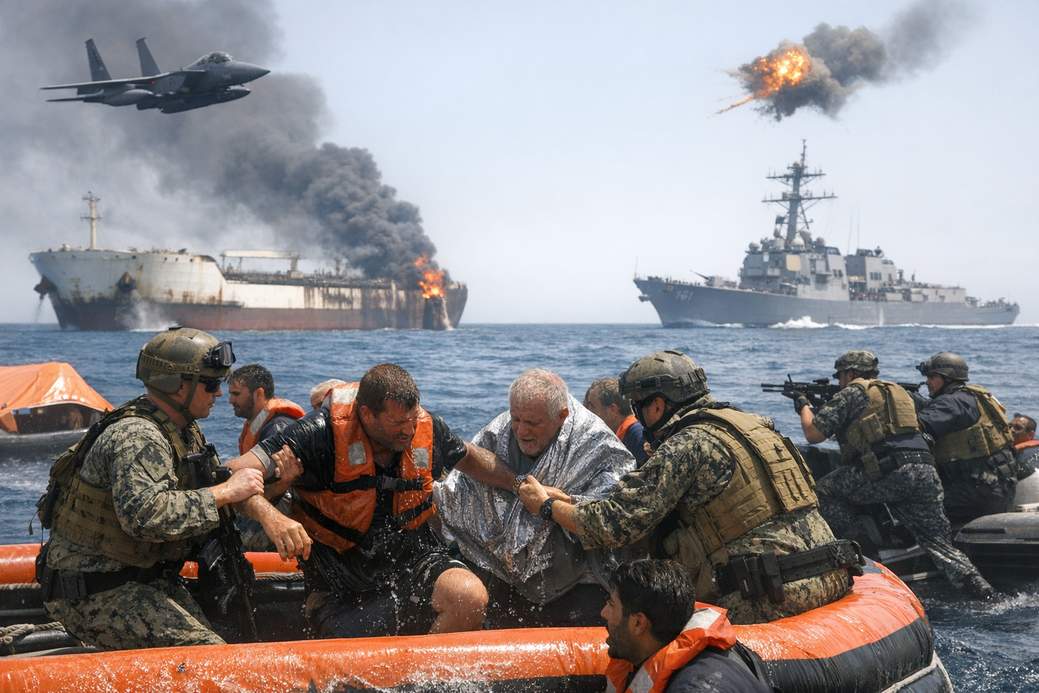
Deadline drama and the rescued pilot
Donald Trump and Benjamin Netanyahu ramped up pressure on Iran, handing a big deadline to reopen the Strait of Hormuz — tick tock, 48 hours left, and threats of airstrikes were in the mix. The U.S. president set a specific cutoff time, turning a diplomatic spat into a high-stakes countdown.
In the midst of the back-and-forth, the U.S. reported a crew member from an F-15E fighter that had been downed in Iranian territory was recovered after a risky extraction from the mountains. That rescue became a flashpoint, with claims that Iranian forces tried to capture the pilot but U.S. personnel retrieved him.
Iran pushes back: control, tolls and threats
Iran answered by treating the Strait of Hormuz like a bargaining chip, saying it will no longer be a free-for-all for commercial navigation. Officials announced plans to charge navigation fees in rials and stressed that passage would require Tehran’s permission — a move meant to reshape how that vital waterway operates.
Military spokespeople responded to the ultimatum with blunt, fiery language, warning that any strikes would trigger broad reprisals. Promises of devastating, continuous attacks against foreign military infrastructure were exchanged for the deadline-driven threats, and the rhetoric only intensified.
Airstrikes, petrochemical targets and a wider escalation
Israel continued striking sites it says support Iran’s weapons production, focusing on petrochemical plants and industrial targets. Leaders described significant damage to Iran’s industrial capacity and vowed to keep going after the facilities they view as strategic.
Bombing campaigns and counterstrikes unfolded across the region, with operations reported in multiple countries and dozens of targets struck in a short span. Between the damaged infrastructure, the recovered pilot saga, and the looming deadline, the situation remained tense, unpredictable, and dangerously volatile.