Iranian Parliament Approves Toll Plan for Strategic Strait of Hormuz
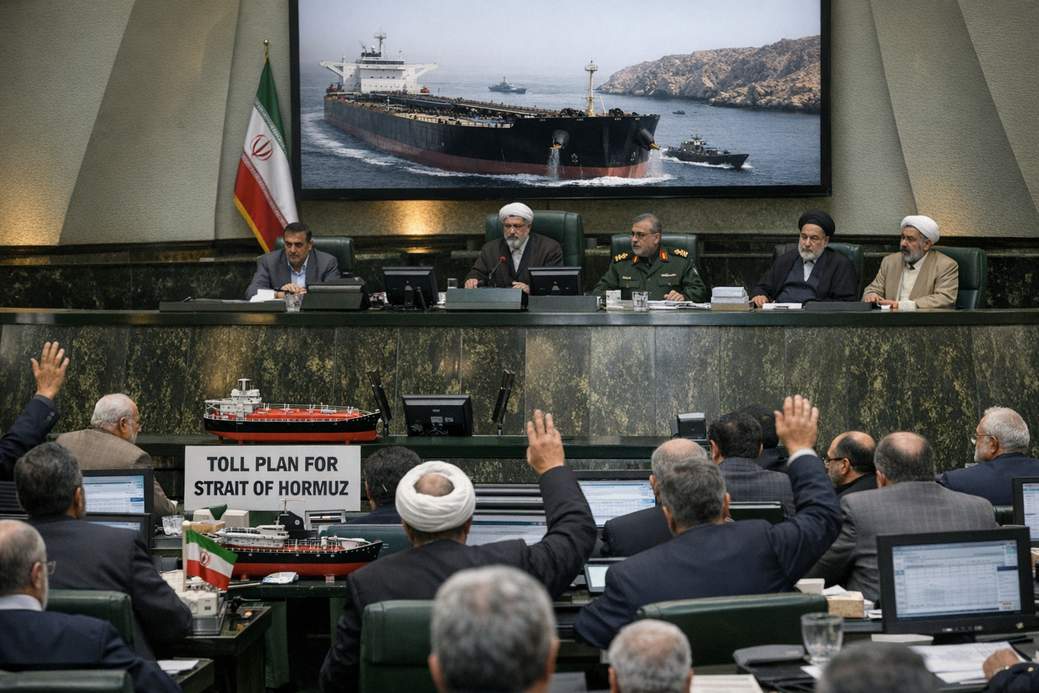
New toll rules—tollbooth for tankers?
The National Security Committee in Iran has signed off on a bill to create tolls for ships using the Strait of Hormuz, and it also proposes banning vessels from certain countries. This stretch of water is a big deal—about one-fifth of the world’s oil trade sails through there—so any rule change has instant ripple effects across global energy markets.
The draft law lays out a framework to control who can pass and how much they might pay, turning a busy shipping lane into something closer to a managed corridor with fees and restrictions. It’s part practical navigation plan, part geopolitical message.
How the fees might work and the money talk
The bill doesn’t pin down exact numbers, but one floated idea compares the arrangement to other canal-style charges: either large flat fees per ship or levies based on cargo. Speculation about high per-ship costs has circulated, and planners project substantial revenue if the system is implemented widely.
The proposal is built around four main pillars: improving maritime safety, charging for pollution and environmental impacts, levying fees for pilotage and technical navigation services, and setting up a regional development fund fed by those collections. If the higher-end estimates proved true, the new income could outstrip some current oil export figures—at least on paper.
Traffic shifts, market effects and what happens next
Since the recent escalation of conflict in the region, passage through the strait has been limited for countries deemed hostile, while some allied or friendly states continue to move oil under a selective scheme. That shift has drastically cut traffic: where hundreds of ships used to pass regularly, recent counts show only a fraction of that activity.
The slowdown has coincided with rising oil prices amid supply worries. The government pushing the toll plan says it will keep control over who sails through and under what terms. Before any of this becomes law, the bill still needs full parliamentary approval and the green light from a higher vetting council with veto power. Until then, the idea of tollbooths in one of the world’s busiest energy chokepoints remains a fast-moving proposal with big implications.