Israel’s Night Offensive on Tehran: Striking Mobile Command Centers and Weapons Sites
Midnight air raid and mobile command hubs
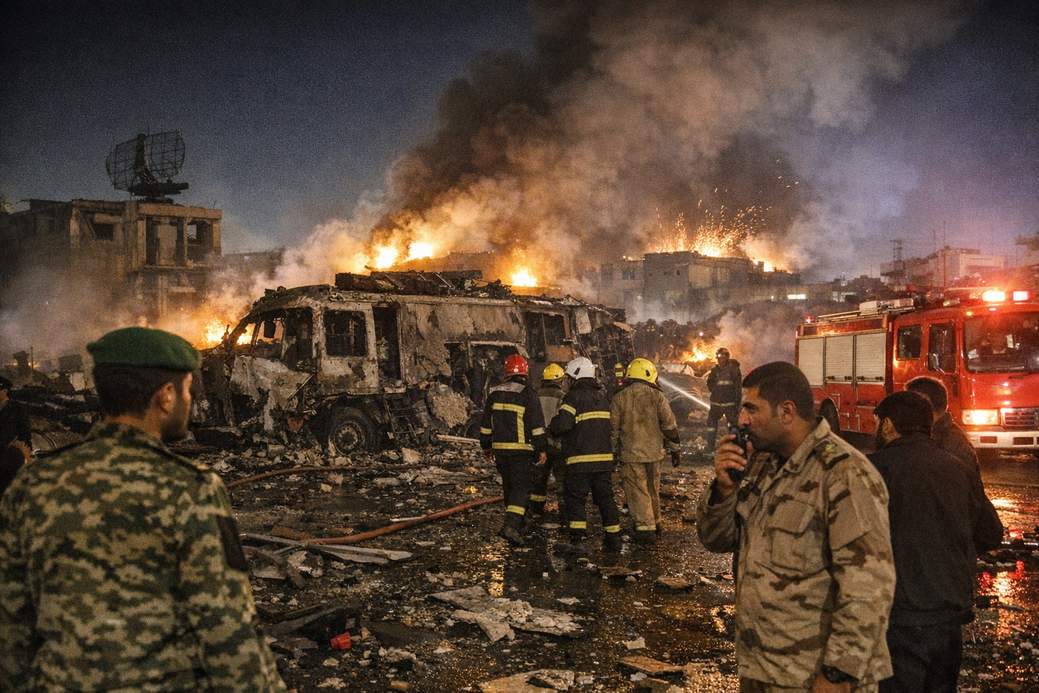
Late-night strikes lit up the skies over Tehran as jets targeted mobile command units and buildings tied to weapons production. It looks like command teams had been playing a risky game of hide-and-seek, moving operations into vehicles and temporary locations—but those makeshift hubs didn’t stay hidden for long.
Several of those mobile sites were disabled during the raids, and personnel inside were among the casualties. Alongside the command hubs, warehouses and workshops linked to arms manufacture were also hit, leaving a trail of wrecked infrastructure around the city.
Targeting the naval and weapons programs
The operation also zeroed in on complexes involved in naval weapons development — places where engines, small craft and unmanned maritime systems are researched and assembled. The strikes used a sizable number of aircraft to reach research and production centers that support naval and other military capabilities.
Goals included slowing the development of maritime weaponry, degrading defensive systems, and keeping airspace advantage by striking critical production and research nodes. The action extended beyond one country’s borders, with operations reaching positions tied to allied groups in neighboring areas.
Escalation, casualties and tense warnings
In the aftermath, missile exchanges and counterstrikes spread across the region. The clashes resulted in multiple fatalities, including civilians in areas with few shelters or warning systems, underscoring how quickly frontline fighting can affect ordinary neighborhoods.
Amid the back-and-forth, a hardline military body in Iran issued warnings about certain foreign university campuses in the region and called for evacuations near those sites, demanding public steps to prevent further attacks. Tensions remain high as strikes, counterstrikes and warnings continue to unfold.