Dani Dayan on Antisemitism, Iran’s Missile Threat & Buenos Aires Holocaust Remembrance Handover
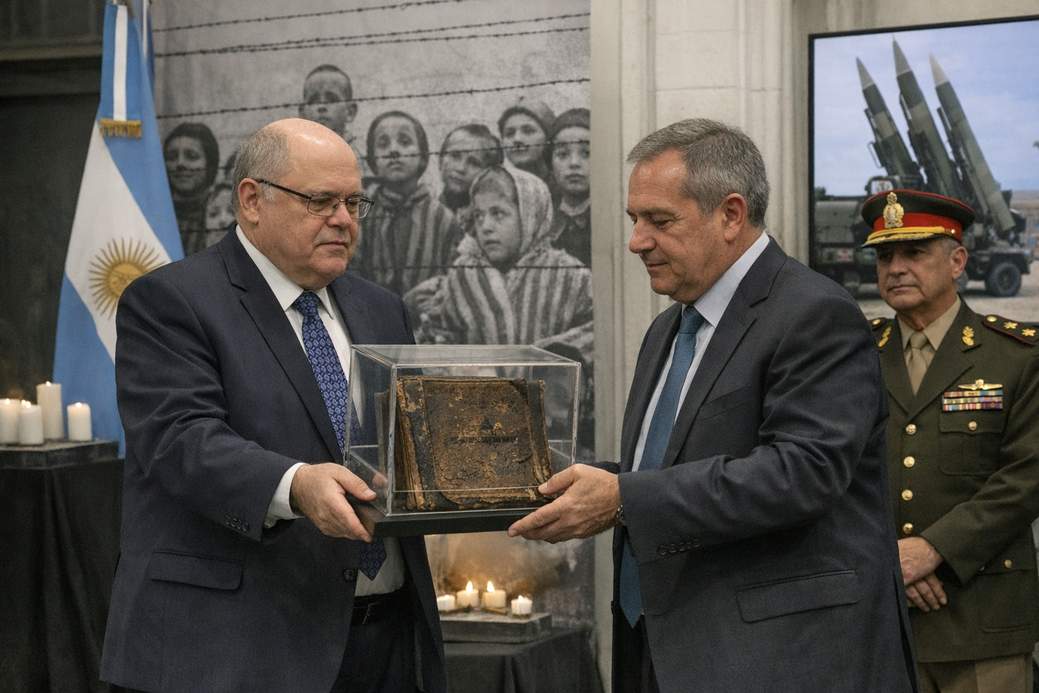
Buenos Aires, handoffs and awkward international politics
There’s been a ceremonial passing of the baton: leadership of the Holocaust remembrance alliance moved from Israel to Argentina, and the visit that accompanied it felt part ceremonial, part diplomatic pep talk. The idea is simple — get more countries in Latin America to take Holocaust memory seriously — but real-world politics keep getting in the way. Some governments treat Holocaust remembrance like a political checkbox tied to their stance on Israel, and that makes recruitment awkward.
One recurring complaint: countries that pull back or treat membership as political send the wrong message when antisemitism is on the rise. The hope around the handover is that Argentina’s role might nudge neighbors toward more engagement — or at least stop them using this stuff as a diplomatic bargaining chip.
Antisemitism, October 7 and universities that forgot the rulebook
The attacks of October 7 have ramped up a global wave of antisemitic incidents, and comparisons between that day and the Holocaust are popping up like unwelcome party guests. People point out similarities in violence and intent, but mixing those two events ignores huge historical differences and ends up being counterproductive — it feeds the very narratives terrorists want to create.
A separate problem is what’s happening on campuses. Some universities and certain professors have allowed rhetoric that crosses the line from critique into calls for the elimination of a state, and that’s not the same as debate. When academic freedom becomes a shield for dehumanizing messages, institutions risk normalizing hatred. Education is crucial, yes, but it isn’t a magic wand: laws and stronger protections against hate and discrimination also have to step up.
Missiles, regime chances and why some calls for preemption sounded urgent
There’s a real concern about Iran’s missile programs being more than bluster — a roadmap, some would say, toward a much deadlier kind of attack. The fear sketched out is chilling: a coordinated ballistic assault could have been catastrophic for civilian populations. That prospect is what made preemptive moves by some actors feel less like rash adventurism and more like crisis management.
Could the regime fall? Maybe — but it’s not guaranteed. A weakened Iran, even if it survives, would likely have fewer resources to bankroll proxies and pursue nuclear ambitions, which could ease tensions regionally and globally. At the same time, people working in Holocaust memory and education are pushing harder to protect research centers and museums, train a new generation of historians, and build educational tools that teach trauma responsibly without retraumatizing students.