China’s New Ethnic Unity Law: Strengthening National Identity and Integration
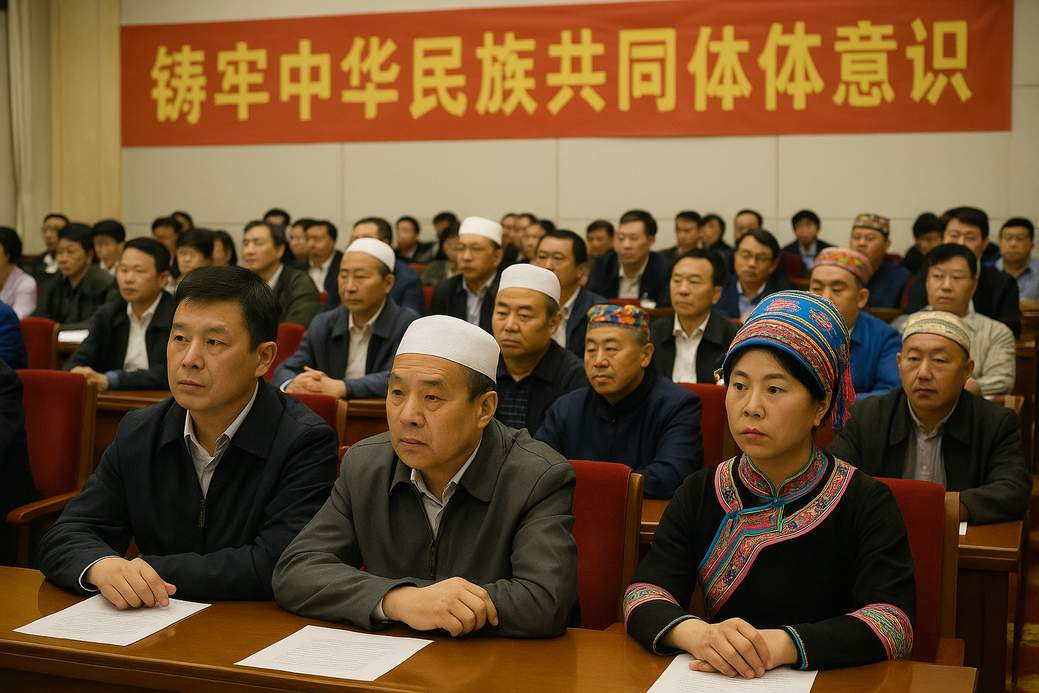
What the new law does
The national legislature has enacted an Ethnic Unity and Progress Promotion Law that formalizes a government push to strengthen a common national identity and encourage integration among ethnic groups. The measure lays out goals like promoting a shared sense of the Chinese nation, boosting economic development in regions with large minority populations, and pursuing so-called common prosperity across all recognized ethnic groups.
The text of the law emphasizes language and education policies, economic initiatives in minority areas, and a legal framework to address activities judged to harm ethnic unity. It also includes provisions that enable authorities to take action against actors outside the country if their conduct is deemed to undermine that unity.
How it will be implemented
Responsibility is broadly distributed: government agencies, public organizations, businesses, the armed forces and other institutions are expected to play a role in building and reinforcing this shared national consciousness. The law frames ethnic affairs governance through legal and administrative measures designed to promote integration.
Practical implementation is likely to focus on language use in compulsory education, targeted investments and development programs in minority regions, and procedures for identifying and responding to behavior considered harmful to ethnic cohesion. The law provides the legal basis for domestic enforcement and for addressing perceived external interference.
Numbers, context and what to watch
Population data shows a large majority identifying as Han, with roughly nine percent belonging to ethnic minority groups. The new statute arrives amid ongoing efforts to centralize and standardize policies tied to national identity, and its impact will depend on how local rules and enforcement are carried out.
Keep an eye on changes to school language instruction, the launch of new development projects in minority areas, and the way authorities apply cross-border provisions. Those implementation choices will determine how the law affects daily life and cultural practices on the ground.