30 Missile Sirens Shake Tel Aviv in 48 Hours Amidst Iran Conflict
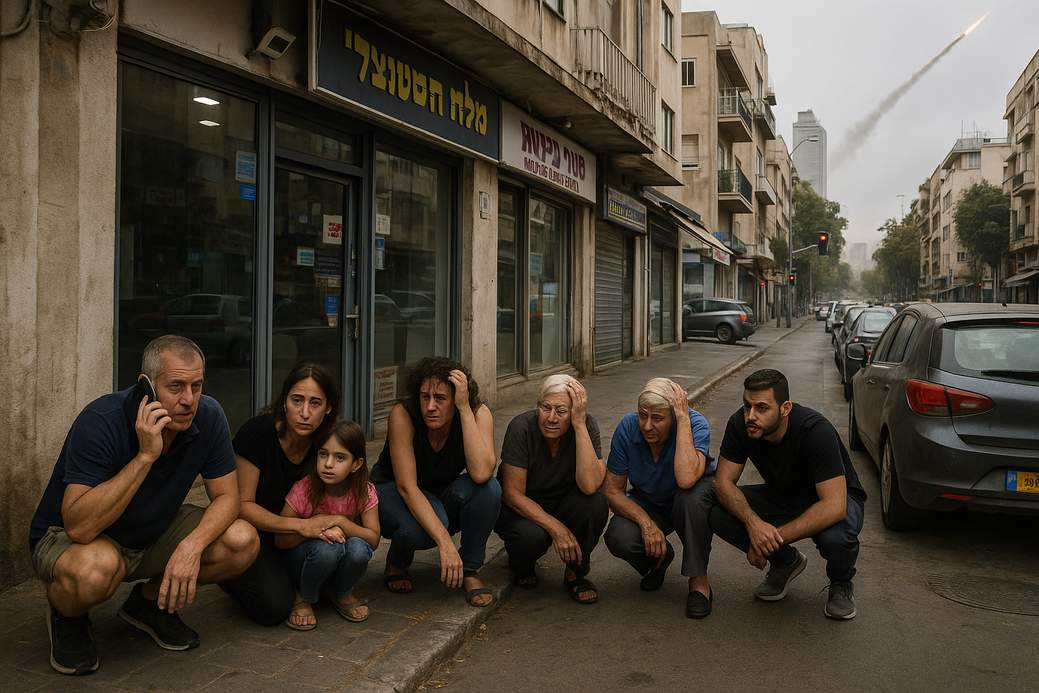
Sirens, shelters and sleep interruptions
For roughly two days the city sounded like an overenthusiastic alarm clock with no off switch — about 30 missile sirens in 48 hours. People dashed to reinforced rooms and bomb shelters as routine life turned into a series of short, tense intermissions.
Shelter stays were often brief but frequent: the usual 20–30 minute pause stretched into dozens of repeats. Imagine an extreme, unwanted fire drill that keeps showing up uninvited — that’s the new normal for many residents.
Damage, casualties and daily life on hold
The situation forced a state of emergency and left parts of the city scarred. Roughly a dozen civilians lost their lives and dozens more were wounded. Shrapnel damaged numerous buildings, and at least one death was reported from falling debris. A foreign national was also among those killed.
Beyond the human cost, neighborhoods were disrupted: businesses shuttered, travel slowed, and the constant threat kept people close to shelter spaces instead of on the streets. The rhythm of city life is on hold while cleanup and repairs get underway.
Aftershocks, leadership shifts and the road ahead
The strikes came amid broader military actions that reportedly resulted in heavy losses among senior leaders, followed by the formation of a provisional leadership council. The scale of the damage and command disruptions raises big questions about how the affected government will reorganize and whether it can regain its prior footing.
Officials visited impact sites and urged resilience, while emergency crews worked to clear debris and tend to the injured. For now, the focus is on immediate safety, recovery, and figuring out what the next calm — whenever it comes — will look like.