Trump Says Iran Is Ready to Talk: Who Will Lead After Khamenei?
New outreach and the sudden power vacuum
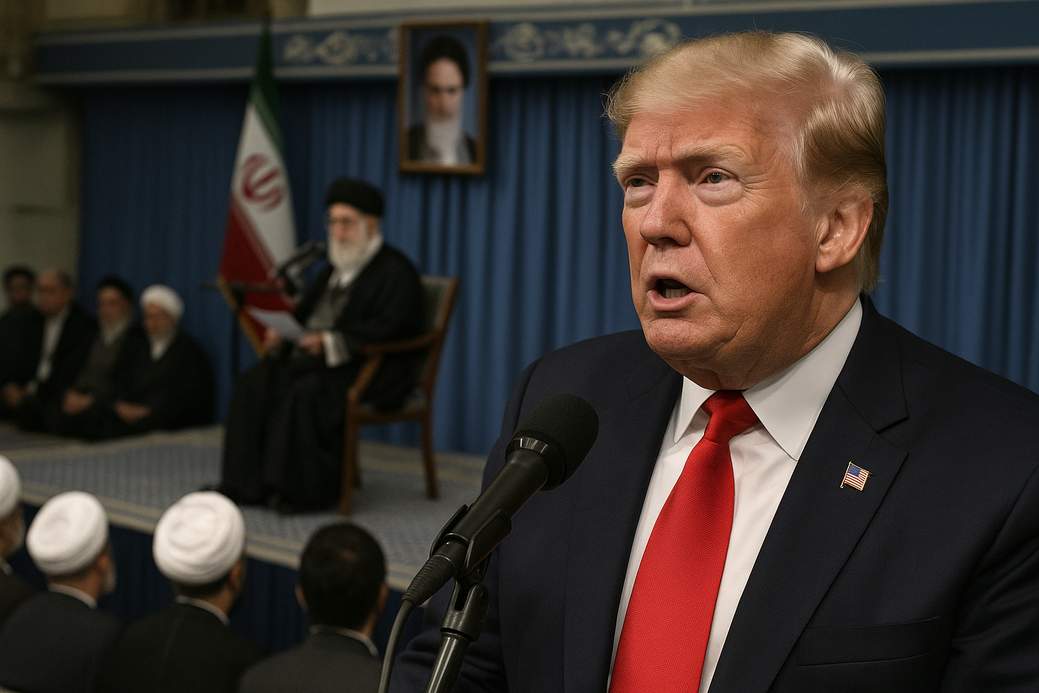
The dust is barely settling and now someone’s asking to sit down at the table. After the death of Iran’s supreme leader, the government has signaled a willingness to open talks — a surprising twist when the playground is this volatile. This is only the second time since 1979 that the country faces the task of picking a new top cleric, so expect awkward politicking, quiet deals, and plenty of elbow nudging behind closed doors.
Meanwhile, the interim leadership setup and the influence of powerful military factions mean any invitation to negotiate comes with caveats. The outreach looks simple on the surface, but underneath it’s tangled with succession rules, internal rivalries, and regional tensions that won’t disappear with a handshake.
The contenders you’ll hear about
Names are already being tossed around — a mix of hard-line figures, clerics with courtroom reputations, and family members who’ve been shadowing power for years. One is a long-time regime insider with security credentials and a history linked to the government’s heavy-handed responses to unrest. Another is a clerical politician known for defending strict social rules and for close ties to judicial institutions.
The late leader’s son is also in the rumor mill; he’s been seen working closely with Iran’s elite military force and has drawn attention on the international stage before. Other possible picks include senior clerics who currently help steer the system and figures with strong theological pedigrees who could be framed as the spiritual successor. Even the grandson of the revolution’s founder is considered by some — youth, pedigree, and mausoleum-keeper credentials all in one package.
What happens next (and why it’s messy)
Officially, a body of senior clerics is meant to pick the next supreme leader, but informal powerbrokers matter just as much. The military arm with regional reach wants stability that preserves its influence, hard-line politicians want continuity, and reform-minded elements — where they exist — are looking for openings. The result is a murky horse-trading process that can move fast or grind to a halt.
Beyond the palace intrigue, the stakes are regional: whoever ends up in charge will shape foreign policy, militia relationships across the neighborhood, and how Iran positions its nuclear and missile programs. Some voices call for breaking the current system or pushing for change from within, while others want a quick, decisive replacement to restore order. In short: expect opaque backroom deals, sudden announcements, and a very bumpy transition that will keep diplomats, capitals, and armchair geopolitics fans on edge.