Khamenei’s Death: Navigating Iran’s Uncertain Future Amid Theocratic Power Shift
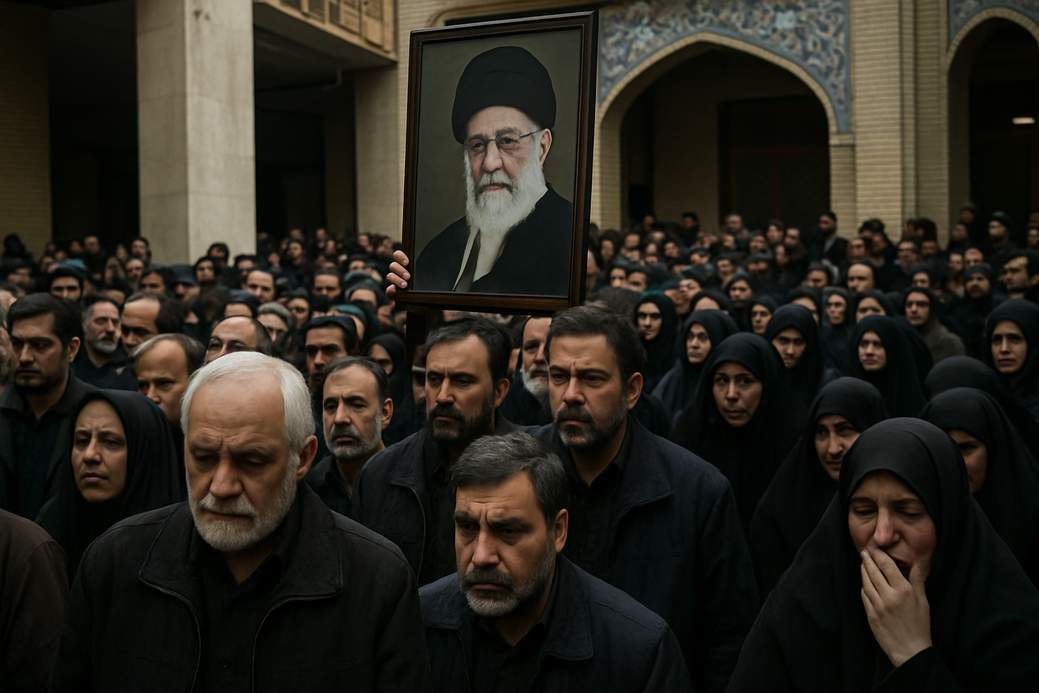
Power vacuum (but maybe not a surprise)
Iran woke up to a very different headline after the supreme leader was killed in a strike — a shock, yes, but not necessarily chaos on day one. The system that has run the country for decades didn’t pop up overnight: it has built-in routines and backup plans for leadership change, and the immediate goal for surviving institutions will likely be keeping the lights on and the trains running.
In practical terms that usually means an interim team, a ritualized handoff and plenty of behind-the-scenes horse-trading. The armed and security wings that hold real muscle will be major players in choosing who steps into the big shoes, and their influence will shape whether the transition looks tidy or messy.
The hidden engine of continuity
The office around the supreme leader long ago grew into more than a person — it’s a sprawling machine with tentacles in the military, the security services and the economy. That institutional weight makes the system tougher to topple: even if the face in the spotlight changes, the structures that run the country can keep humming along.
That doesn’t mean everything stays exactly the same, but it does mean change is likelier to be incremental than revolutionary. Expect successors to lean on established institutions to preserve order and to avoid moves that could spark internal collapse or mass unrest.
Three roads the country could take
Think of the future as three broad possibilities: one, a managed continuity where a successor from inside the system keeps the ideological and institutional framework intact; two, a more overt or stealthy takeover by hardline security or military figures who tighten control; or three, a chaotic unspooling where competing factions and public unrest push the state toward significant instability.
Whichever path unfolds, a simple leadership change won’t instantly rewrite the rules of politics. The deeper power networks and security forces will be the ones deciding how big — or small — the change ends up being, and everyday people will be left watching closely while the real maneuvering happens offstage.